Bedding that takes up sweat
Short answer: If you sweat at night, the ability of your bedding to absorb moisture decides whether you wake up clammy. The weight of the duvet decides the warmth, while the cover and nightwear decide how it feels against the skin.
The cover takes it up
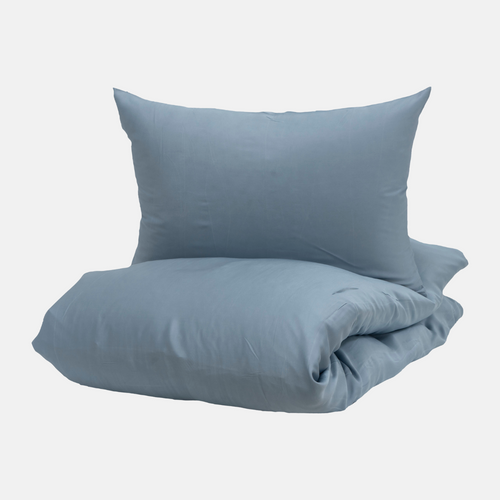
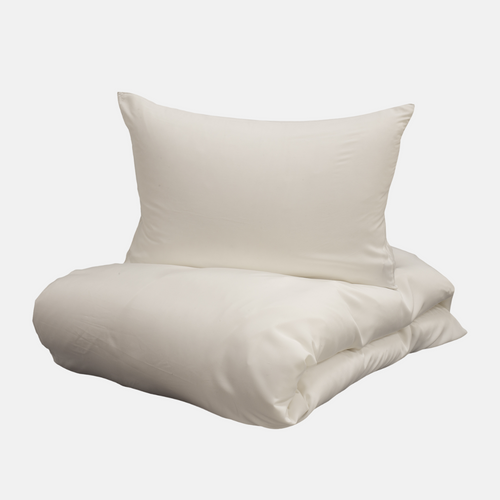
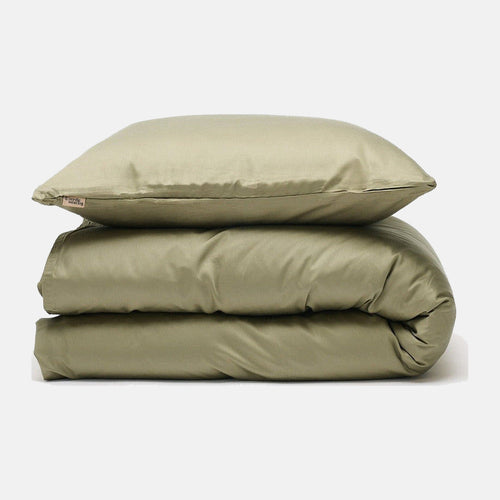
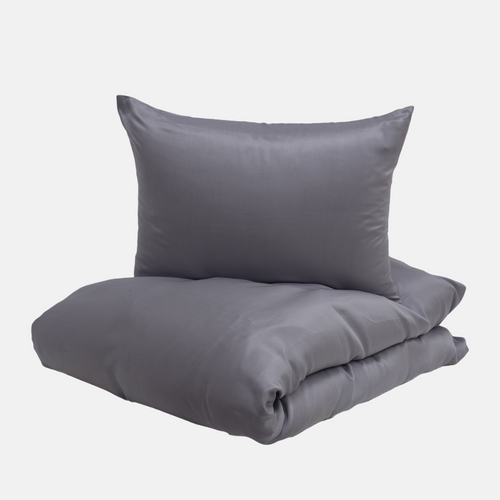
Moisture has to move away from the skin and into the fabric, where it can evaporate. A cover in bamboo viscose absorbs moisture into the fibre and feels smooth and cool when you lie down. Cotton absorbs too but holds on to moisture longer. See the range in bamboo bedding.
Nightwear first
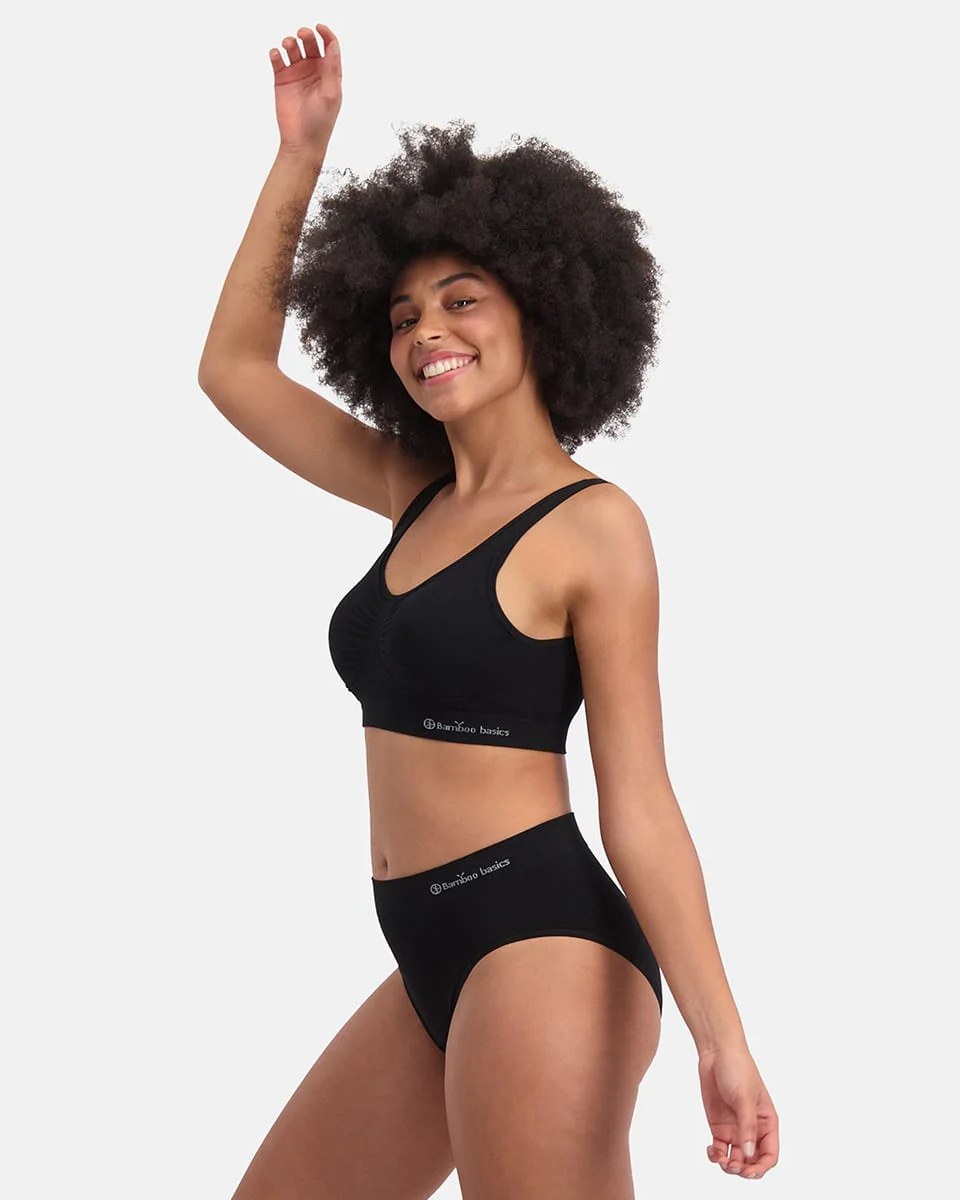
Nightwear is the innermost layer and lies against the skin all night. That is why it matters most. Light nightwear that absorbs moisture and is not tight does more than a new cover alone. Choose short sleeves or straps if you sweat a lot. See bamboo nightwear for women.
The pillow
The head and neck give off a lot of moisture and heat at night. The pillowcase therefore gets damp faster than the rest of the bed. Change the pillowcase more often than the duvet cover, a couple of times a week if you sweat. Read more in how often should you change the pillowcase.
The duvet
A duvet that is too warm cannot be saved by the cover. If the duvet holds too much heat, you sweat whatever is on the outside. Choose a lighter duvet in summer and a warmer one in winter. Some people like having two duvets to swap by season.
The room
16 to 18 degrees is often recommended as a bedroom temperature. Air the room in the morning and again before bed, so the moisture from the night gets out. A cool room with fresh air makes it easier for the bedding to do its job, and you wake up clammy less often.
Washing
Wash bedding at 40 degrees without fabric softener, which otherwise coats the fibres and reduces absorption. Let it air dry so the fabric stays smooth. More advice on washing, drying and care is gathered in the washing guide.
What bedding cannot do
Bedding can move moisture away from the skin so the night feels more comfortable. It cannot change how much you sweat. If you sweat heavily at night for no clear reason, or it is new to you, talk to your doctor. Clothing and bedding are a help, not a solution.
See also
Night sweats can have many causes, and many people want to make the night more comfortable. If you want to know more about how bamboo fabric behaves in bed and which choices matter most, read bamboo bedding against night sweats.
How many sets
If you sweat at night, bedding needs changing more often than usual. Two or three sets mean you can change without waiting for the wash. Soft clothing for evening and morning is also part of a calm night. See home and homewear in bamboo.
In short
Start with nightwear, because it is closest to the skin. Then choose a cover that absorbs moisture and a duvet that suits the season. Keep the room cool, change the pillowcase often and wash without fabric softener. Then you wake up clammy less often.
Frequently asked questions
Can bedding help with night sweats?
It can move moisture away from the skin so you do not wake up clammy. It does not change how much you sweat, so talk to your doctor if the night sweats are new or heavy.
What matters most?
Nightwear, because it lies directly against the skin. Then comes the weight of the duvet, which decides the warmth, and finally the cover, which decides how the bed feels.
How often should bedding be changed?
If you sweat at night, change the pillowcase a couple of times a week and the rest more often than usual. Two or three sets make changing easy.
See our range of Nordic Weaving bedding.