Snags in bamboo clothing and what to do about them
Short answer: A snag is a loose loop, not a hole. Never cut the thread off. Instead, gently ease it back from the inside so the fabric closes again and the loop disappears.
What a snag is
A single thread has been pulled out of the knit because it caught on something sharp. The fabric is not broken, but the length of the thread has moved from the rest of the row into a loop. That is why the fabric often looks slightly puckered on either side of the snag.
Do not cut it
If you cut the thread, you create a real hole, because the thread holding the stitches together is now broken. The hole can run further as the garment is worn and washed. This is the most common mistake, and it turns a small problem into a big one. Leave the scissors alone.
Pull from the inside
Turn the garment inside out and gently stretch the fabric across the loop, first one way and then the other. The thread usually settles back into the row on its own. If the loop is large, you can push it through to the inside with a darning needle or a crochet hook.
What causes it
Zips, Velcro, rings, watches and fingernails are the most common causes. A rough table edge or a bag strap can also catch a thread. Wash clothes with zips closed and fasten Velcro before it goes into the machine, so it does not catch thin items in the same load.
Laundry bag
Thin items are best protected in a laundry bag, where other clothes in the drum cannot catch them. This applies especially to tops and tights. Choose a bag with fine mesh and a closure so nothing pokes out. See bamboo tops for women.
Where it happens most
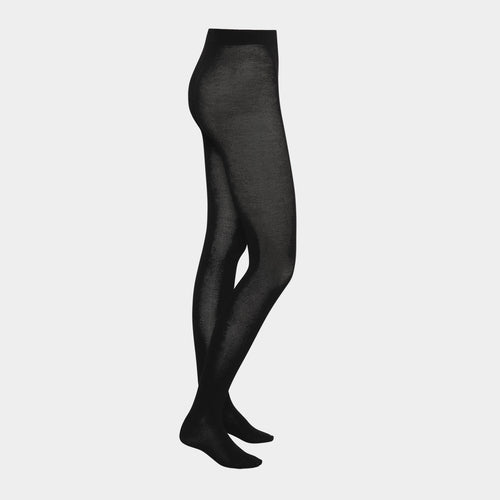
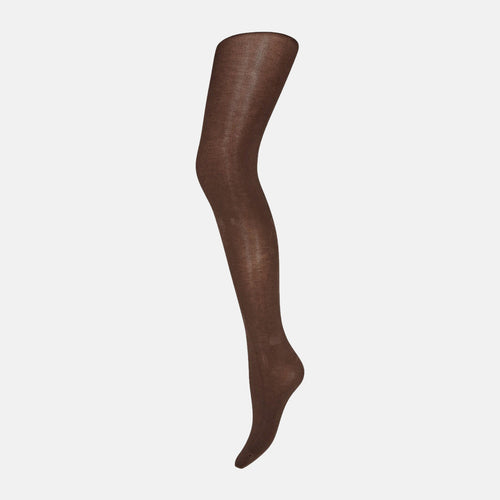
Snags occur most often in thin tops and tights, where the knit is finest and the thread is thinnest. Take off rings before pulling on tights, and use your fingertips rather than your nails. See bamboo tights for women.
When it is too late
If a hole has formed, it can be closed with a few small stitches from the inside before it grows. Use thread in the same colour and do not pull too tight, or the fabric will pucker. The sooner you do it, the less visible it will be.
Take care in daily life
Many snags happen during the day, not in the wash. An office chair with rough edges, a bag with metal buckles or a rough wall can catch the fabric. It is hard to avoid completely, but once you know where it happens, you can often choose another bag or layer.
Drying
Hang thin items to dry on a rack rather than in the tumble dryer, where zips and buttons on other clothes can catch them. It is also gentler on the elastic and keeps the shape better over time.
General care
A snag is rarely a sign of poor quality, but thin fabrics need a little more care. Wash at 30 or 40 degrees, skip fabric softener and use a laundry bag for the finest items. The rest of the rules are in the washing guide.
Frequently asked questions
Can I cut the thread off?
No. The loop then becomes a hole that can run further. Instead, gently ease the fabric back from the inside so the thread settles back into the row.
How do I avoid snags in the wash?
Close zips and Velcro, and wash thin items in a laundry bag. That way other clothes in the drum cannot catch them during washing and spinning.
Is a snag a sign of poor quality?
Rarely. It happens when a thread catches on something sharp, and thin, fine fabrics are more exposed than thick ones. It says more about what the garment met.
See our range of Copenhagen Bamboo.