Stitch size and what it governs
Short answer: Stitch size is how much yarn goes into each loop. It decides the density, weight, stretch and how much light passes through the fabric. Small changes in stitch size can turn the same yarn into a very different fabric.
A setting on the machine
The knitter can adjust how far the yarn is pulled down around the needle. Pull a lot, and the stitches become large and the fabric loose. Pull a little, and the stitches become small and the fabric dense and firm. It is a simple setting, but it changes the garment more than most expect.
Large stitches give air
Large stitches let air through and give a soft drape. The fabric stretches more and feels light, because there is less yarn in each square centimetre. That suits garments with a loose, airy fit, for example on warm days or for clothes that should not sit tight on the body.
Small stitches give coverage
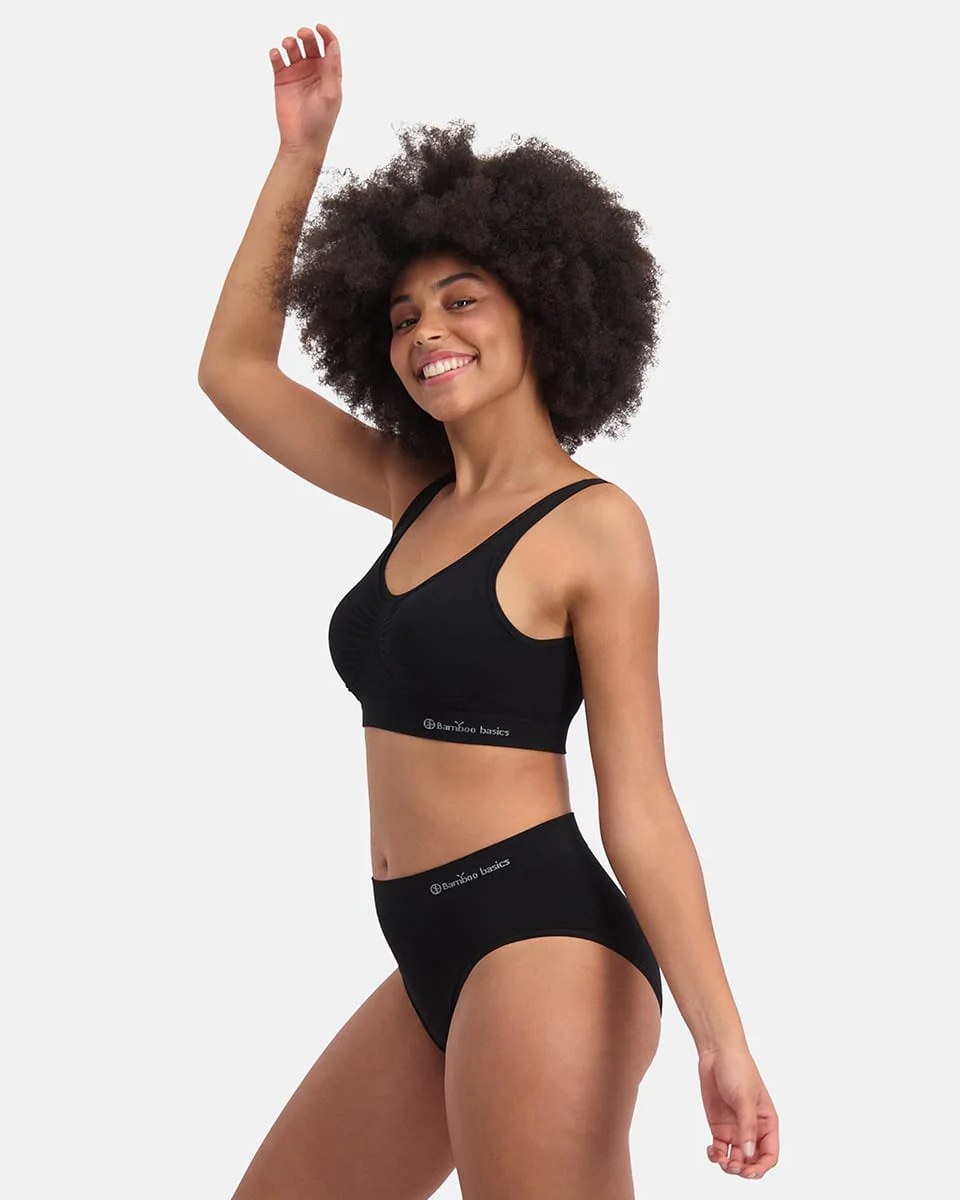
Small stitches make a dense surface with good coverage. The fabric holds its shape better because the stitches sit close and support each other, and it wears less easily. For garments you wear daily and wash often, a dense stitch size is often an advantage. See our bamboo jogging suit for women.
How to see the stitch size
Hold the fabric up to the light. Large, bright gaps between the stitches mean a loose knit, while an even, darker look means a dense one. You can also pull the fabric lightly across its width and see how much it gives. It takes seconds and says more than a description in words.
Density and weight go together
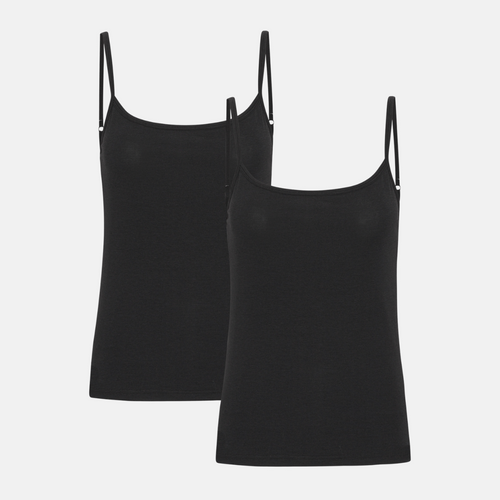
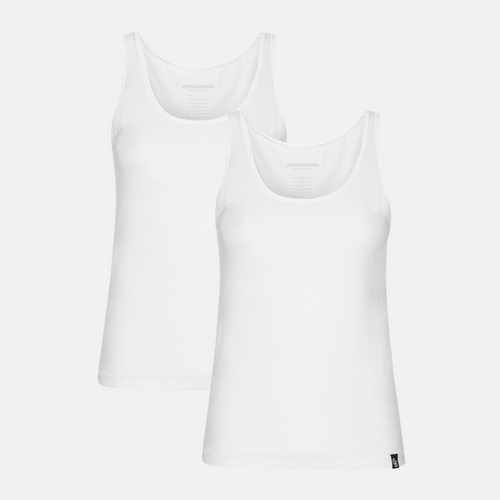
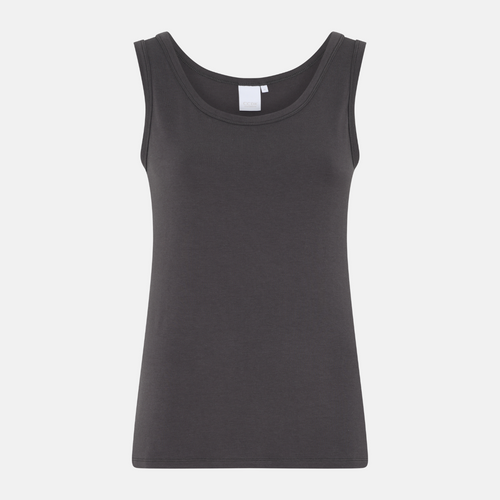
Dense knit holds more yarn per square metre and feels heavier and more solid. Loose knit is lighter and airier. Weight is a clue to stitch size, but not the whole truth, since yarn thickness also plays in. See bamboo tops for women for everyday layers.
Stretch and drape
Stitch size affects how the fabric falls. Loose stitches give a soft, hanging drape that follows the shape of the body. Dense stitches give a calmer, firmer drape where the fabric keeps its own shape. Neither is better in itself. It depends on whether you want a soft look or a cleaner cut.
Why dense is not free
A dense knit uses more yarn per square metre and takes longer to produce, so the price of the fabric follows. That does not mean dense is always better, only that a dense quality often costs more to make. See bamboo sweatwear, where the density of the fabric is easy to feel.
Stitch size and washing
The stitches draw in slightly the first time the garment is washed and are stable after that. Loose stitches can become more visible if the fabric is pulled during washing or drying. Wash at a low temperature and let the garment dry calmly, and the stitches keep their size.
What to choose for what
For underwear and clothes next to the skin, small stitches are practical, because the fabric must cover and hold its shape. For loose everyday clothes and warm days, larger stitches suit well. Think about what the garment is for and how close it should fit, then choose.
Frequently asked questions
How do I see the stitch size
Hold the fabric up to the light. Large, bright gaps between stitches mean large stitches, while an even, dense surface means small ones. You can also stretch it lightly.
Does stitch size change in the wash
The stitches draw in slightly the first time, and after that they are usually stable. Washing at a low temperature and avoiding hard drying keeps size and shape longer.
What is best for underwear
Usually small stitches, because the fabric must cover, lie smooth and hold its shape all day. Large stitches can become see-through and stretch too much when pulled.
You can find the full range at Bamboo-Clothing.com.