What happens when a stitch runs
Short answer: A ladder in knitwear is a loop that has let go of its neighbour. Because all stitches hang in one another, a single flaw can pull a vertical run down through the fabric. It looks annoying, but you can often stop it if you act quickly.
The chain of loops
Each stitch is held in place by the stitch above it. If one goes, the next loses its grip, and the process continues downward by itself, row after row. That is why a ladder looks like a run that starts where the flaw began and travels down through the fabric.
Where it starts
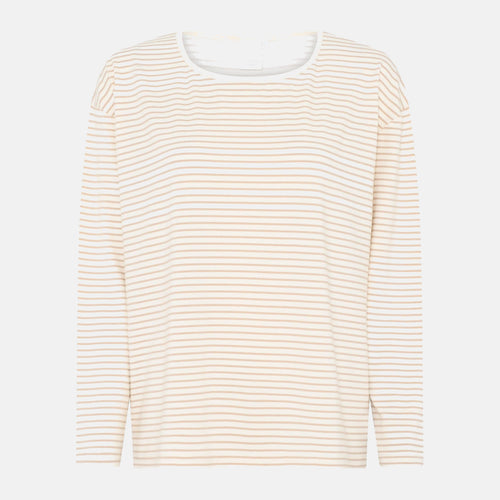
Most often it starts at a sharp edge, a fingernail, a zip or a thread already weakened in the wash. Thin, loosely knitted fabrics are most exposed, because the stitches have less yarn to hold on to. See our bamboo hoodies for women for everyday wear.
What to do at once
Stop the run as soon as you can. Put a small stitch at the bottom of it with fine thread, or place a small piece of tape on the inside. That holds the remaining stitches and stops it spreading. The sooner you do it, the shorter the run and the easier it is to hide.
Repair with a fine hook
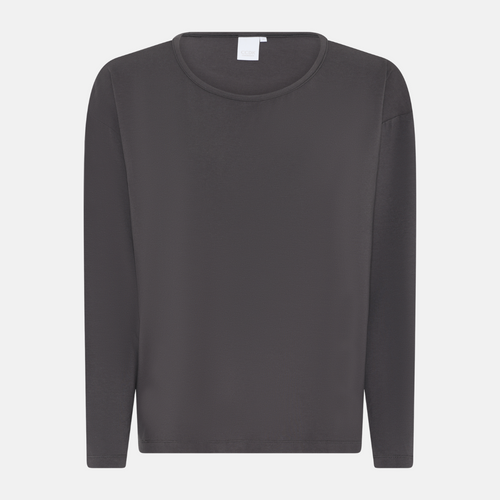
In some cases the stitches can be picked up again with a fine crochet hook, which catches the loops and lifts them row by row. It takes patience, and the fabric will still show a trace. If you are unsure, a seamstress can help. See bamboo loungewear for women.
Why thin fabrics run most
Thin, loose knits have fine yarn and large stitches, so each stitch is held less firmly. A single flaw can therefore spread faster. Denser knit holds together better, because the stitches support each other. That is one reason the structure of a fabric matters more than colour or pattern.
Why interlock runs less often
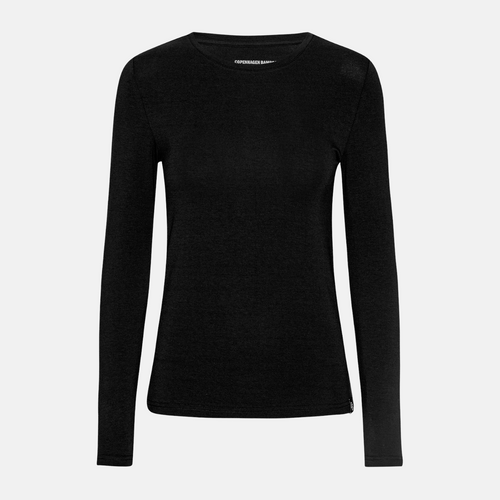
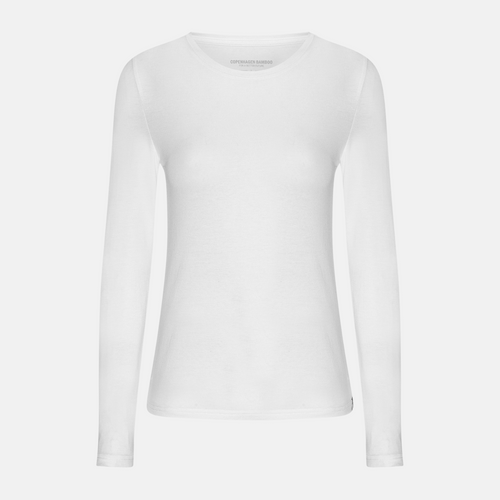
Interlock is made of two layers of stitches that lock each other. If a stitch goes in one layer, the other still holds the fabric together, and the run often stops by itself. It is not a guarantee, but it makes the fabric more robust against small damage. See long-sleeved bamboo T-shirt for women.
Avoiding the flaw in daily life
Trim your nails, close zips before washing and avoid rough jewellery and sharp edges when you put on knitwear. Use a wash bag for finer garments so they do not catch on other clothes in the machine. Small habits are enough to avoid most ladders.
What not to do
Do not pull the loose thread. That makes the run go even further, and you risk a large hole. Do not cut the thread in panic either, because then you lose the chance of picking the stitches up again. Stop the run first, then decide whether to repair the garment or simply keep wearing it.
When it is a claim
If a stitch runs with no outside damage soon after purchase, it can point to a flaw in the fabric, and you can contact customer service. If you caught on a zip or a nail, it is ordinary wear. Take a photo of the spot and keep your receipt if you are unsure.
Frequently asked questions
Can a ladder be picked up again
In some cases with a fine crochet hook, but the fabric will still show a trace. If you lack practice, a seamstress can help. Always stop the run first.
Why does interlock run less often
Because two layers of stitches lock each other and stop the run. If a stitch goes in one layer, the other layer holds the fabric together, so the flaw rarely travels far.
Is a ladder a reason for a claim
Yes, if it appears without outside damage soon after purchase. If it comes from a nail or zip, it is wear. Contact customer service and send a photo.
You can find the full range at Bamboo-Clothing.com.