The 5 Most Asked Questions About Bamboo Clothing
Short answer: The five most common questions about bamboo clothing are about what it is made of, whether it is soft, how to wash it, whether it helps with sweat, and how it affects the environment. Here you get the short, honest answers in one place.
Question 1: What is bamboo clothing made of?
Bamboo clothing is made of bamboo viscose. The raw material is cellulose from the bamboo plant, which is dissolved and processed chemically until it can be spun into long, smooth fibres.
From plant to fibre
Bamboo grows quickly and shoots up again from its roots after harvest. The conversion into viscose does require chemistry, however, and that step decides how the finished fabric behaves. Once the fibres are spun, they are knitted or woven into underwear, socks, T-shirts and nightwear for everyday use.
Question 2: Is bamboo clothing soft?
Yes, and it is often the first thing people notice. The fibres are smooth and round on the surface, so there are no edges that scratch the skin. The fabric also drapes softly and follows the body, which makes it comfortable for clothing that sits close all day and night.
Why the softness lasts
The softness is in the fibre itself, not in a surface treatment that washes out. That is why the clothing still feels pleasant after many washes, as long as it is treated correctly. Fabric softener is unnecessary and can leave a film on the fibres. High heat and the tumble dryer are what most often make the fabric stiff and fuzzy over time.
Question 3: Does it help with sweat and odour?
Bamboo viscose absorbs moisture and lets it evaporate, so the skin stays drier than in synthetic fabrics. When the skin is drier, odour causing bacteria have poorer conditions. Many people therefore find that the clothing stays fresh for longer during the day.
Where do you notice it most?
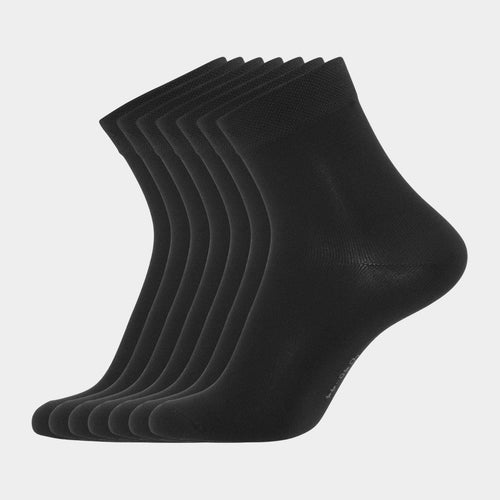
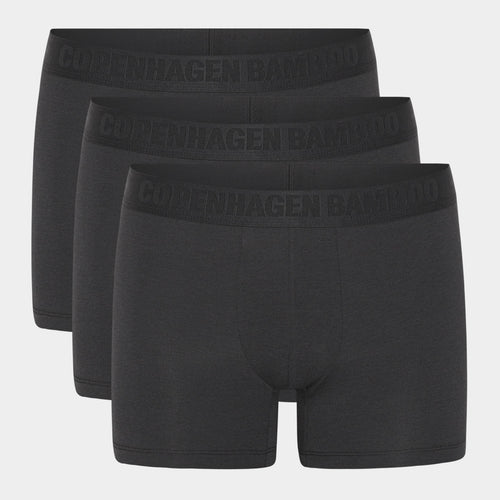
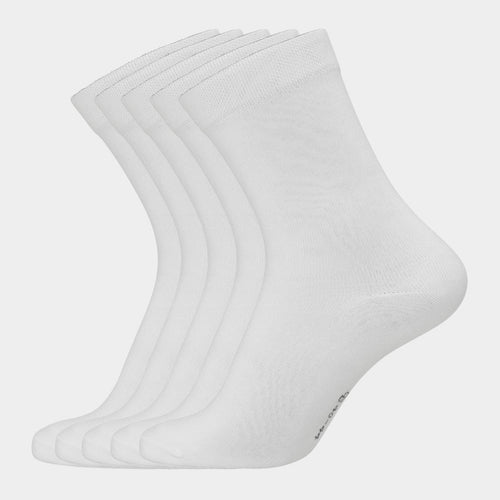
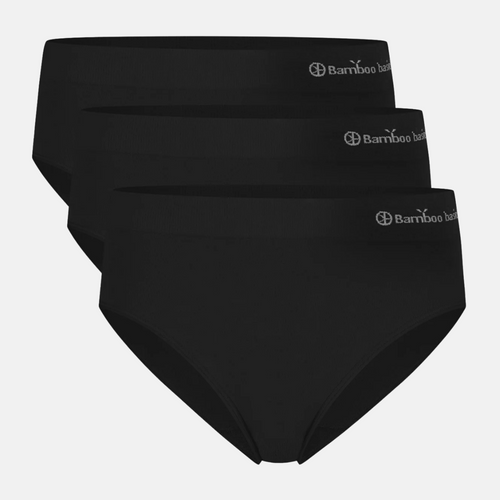
The difference is clearest in the clothing closest to the body. Feet sweat a lot in closed shoes, so bamboo socks for men are a good place to start. The same goes for bamboo underwear for men, where moisture and warmth build up.
Question 4: How do you wash bamboo clothing?
Wash at 30 to 40 degrees on a normal or gentle cycle, and use a mild detergent without bleach. You can safely skip fabric softener. Turn the clothing inside out and wash it with similar colours. That way you keep both the colour and the softness, and the clothing holds its shape through many everyday washes.
Drying and storage
Air drying is the best choice. Hang T-shirts and nightwear on hangers, and lay heavier items flat on a drying rack so they do not stretch. Bamboo dries fairly quickly on its own. Avoid the tumble dryer, which is the most common cause of shrinking.
Question 5: What about the environment?
The honest answer has two sides. The bamboo plant grows quickly and usually needs no artificial irrigation, which is an advantage in cultivation. Turning it into viscose, on the other hand, requires chemicals, and how well they are handled depends on the factory. Clothing that is worn for a long time and washed gently is in any case a better choice than clothing that is quickly replaced.
In short
Bamboo clothing is made of bamboo viscose, feels soft, keeps the skin drier and is washed gently at 30 to 40 degrees. If you want to try the material yourself, socks and underwear are the easiest place to begin, because you notice the difference after the very first day. See also bamboo lyocell vs. bamboo rayon, bamboo socks for sweaty feet, washing guide and the guide to bamboo and the environment.
Frequently asked questions
What is bamboo clothing made of?
Bamboo clothing is made of bamboo viscose: cellulose from the bamboo plant that is processed chemically into smooth, soft fibres, which are then knitted or woven into everyday clothing.
Can bamboo clothing be machine washed?
Yes, wash it at 30 to 40 degrees with a mild detergent and no fabric softener. Air drying preserves softness and fit best, so the clothing lasts longer.
Does bamboo clothing smell less than cotton?
Many people find that it does, because bamboo viscose absorbs moisture and keeps the skin drier. That gives odour causing bacteria poorer conditions, especially in socks and underwear worn close to the body.
See our range of Copenhagen Bamboo.