The wash symbols translated
Short answer: The tub means washing, and the number in the tub is the highest temperature the garment tolerates. Lines under the tub mean gentle treatment, a hand in the tub means hand wash, and a cross means the garment must not be washed in water. The number is a ceiling and not a recommendation.
The tub means washing
The tub on the care label is the symbol showing that the garment may be washed. Everything else on the label builds on it. A number, lines and a hand show how the washing should be done, and a cross over the tub shows that it must not be done. Once you know the tub, the rest of the label is easy to place.
The number in the tub
The number is the highest temperature the garment tolerates, not a recommendation. Thirty degrees is enough for everyday dirt, and a lower temperature wears less on both colour and fibre. You do not have to wash at the number shown to get clean clothes. A lower number is usually gentler on the garment.
The lines under the tub
One line under the tub means less mechanical action, which is a gentle programme. Two lines mean very gentle treatment with a low spin. The lines concern how hard the machine may work the laundry, not the temperature. See for example bamboo undershirt for men and compare the label with the description.
The cross over the tub
A cross over the tub means the garment must not be washed in water at all and must be cleaned. It is the strictest instruction on the label. Follow it even if the item looks as if it could take water. If you are unsure about a particular item, you can ask a cleaner or the shop.
The hand in the tub
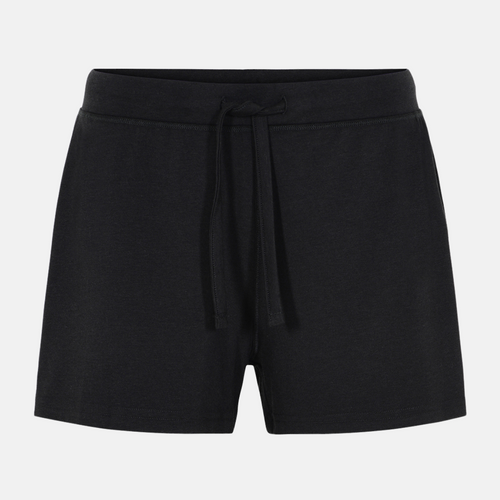
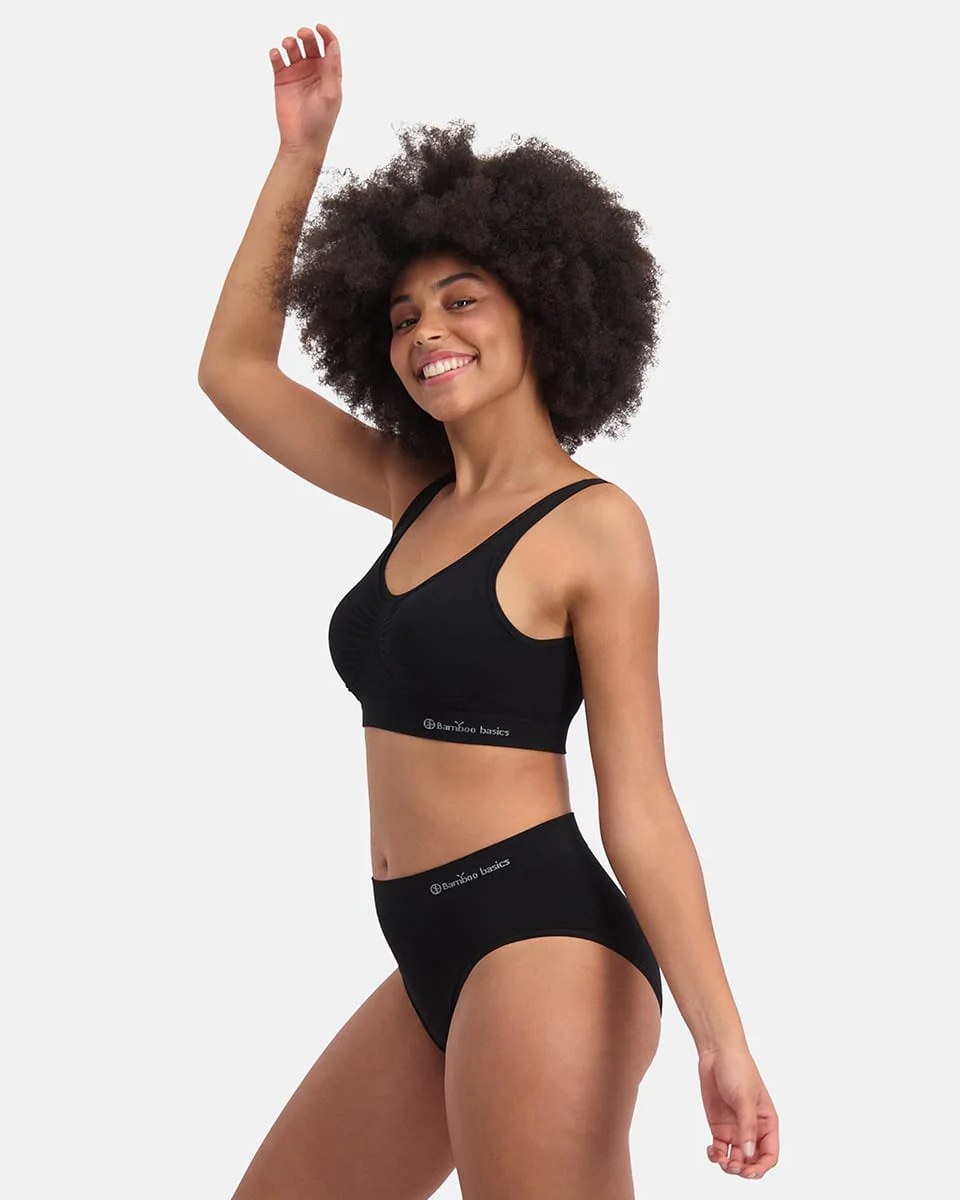
A hand in the tub means the garment tolerates only hand washing, and the temperature is normally lukewarm. Hand washing means washing it in a basin of lukewarm water and not in the machine. Rinse thoroughly and press the water out rather than wringing. See Bamboo Basics and bamboo shorts for women and compare with the label on your own clothes.
How many degrees are enough
Thirty degrees copes with ordinary everyday dirt. That applies to most of the clothes you wear daily. If you want to wash warmer, the number on the label must allow it, and there should be a reason. Otherwise the lower temperature wears least on colour and fibre and keeps clothes looking good longest.
Reading the label as a whole
Read the label in three steps: first the tub, then the number or the hand, last the lines. The tub shows whether the garment may be washed, the number or hand shows how, and the lines show how gentle the programme should be. If two items have different labels, do not wash them on the same programme unless both allow it.
When the label is worn off
If the label has become unreadable, wash on the mildest programme at low temperature and compare with a similar item if you have one. Put the laundry in a wash bag if you like. Ask the shop if you are unsure about a particular item. It is better to wash too gently than too hard when you are not sure.
Getting the most from the label
The label is a simple guide from the producer on how the garment handles washing. Take the number as a ceiling, choose a lower temperature when you like, and use the gentle programme if there are lines. That way clothes keep shape and colour longer, and you avoid guessing every time you sort the laundry.
Frequently asked questions
Should you always wash at the temperature shown
No. The number is a ceiling, not a requirement. You can wash colder, and that wears less on colour and fibre, as long as the clothes come out clean.
What does a hand in the tub mean
That the garment tolerates only hand washing, and the water should normally be lukewarm. Wash it in a basin and not in the machine.
How many degrees are enough
Thirty degrees copes with ordinary everyday dirt. A lower temperature wears less on colour and fibre, so thirty degrees is a good starting point for most clothes.
You can find the full range at Bamboo-Clothing.com.