Where the line runs between synthetic and natural
Short answer: The boundary runs at the raw material. A natural fibre is harvested as a fibre, a synthetic fibre is made from oil, and regenerated fibres sit in between, because the raw material is a plant but the fibre is manufactured. The most reliable place to see which group a garment belongs to is the fibre name on the label.
The boundary runs at the raw material
The deciding question is what the fibre is made of and how it comes into being. A natural fibre is harvested as a fibre and spun into yarn. A synthetic fibre is made from oil. Regenerated fibres sit in between, because the raw material is a plant but the fibre itself is manufactured. So the line between natural and synthetic runs at the raw material and the making.
The three groups
Natural fibres are, for example, cotton, wool and linen. Regenerated fibres include viscose, modal and lyocell. Synthetic fibres are polyester, polyamide and elastane. Each of the three groups has its own properties, and most garments are blends, where the fibre names appear on the label and are quick to sort into the three groups.
Natural fibres
Natural fibres are harvested as fibres and spun without being dissolved. Cotton comes from the plant, wool from sheep and linen from the stem. Processing consists mostly of cleaning and spinning, and the fibre is broadly the same as it was when harvested. This is the group most people have in mind when they say something is natural.
Synthetic fibres
Synthetic fibres are made from oil and produced chemically. Polyester, polyamide and elastane are the best known. They have properties natural fibres lack, such as holding shape and being strong. Synthetic therefore does not mean poor, and many garments contain a small share of them precisely to get those properties.
Regenerated fibres
Viscose, modal and lyocell belong to the regenerated fibres. They start as a plant and end as a manufactured thread. The raw material is natural, but the fibre is made in a factory. So they cannot be placed in either of the other groups without forgetting part of the explanation, and they cause the most confusion.
Why it causes confusion
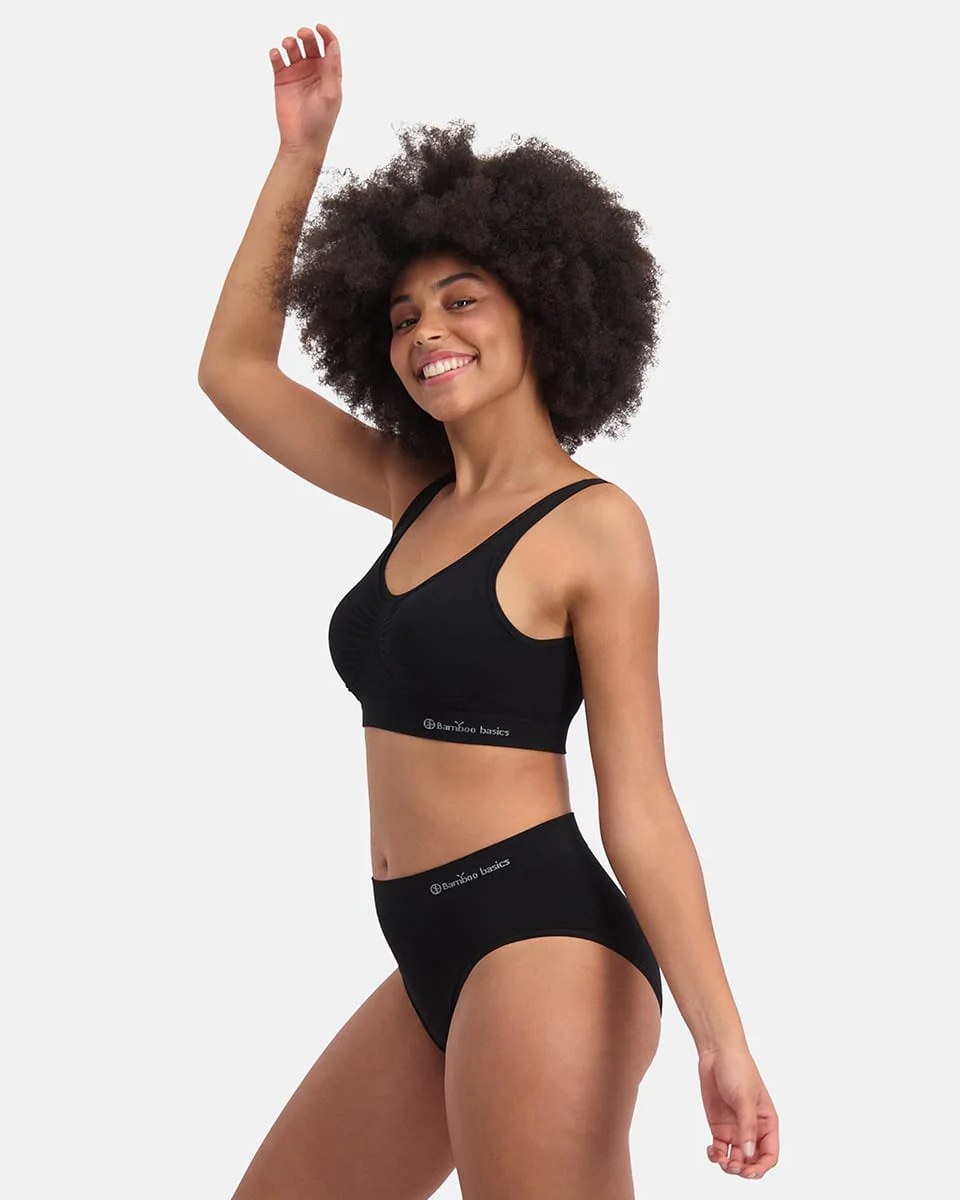
Marketing sometimes calls regenerated fibres natural, because the raw material is a plant. The fibre, however, is made in a factory. Both are true at once, but the wording can give a wrong impression of what you get. See for example bamboo tank top for men and read the material description rather than the headline.
What to look at
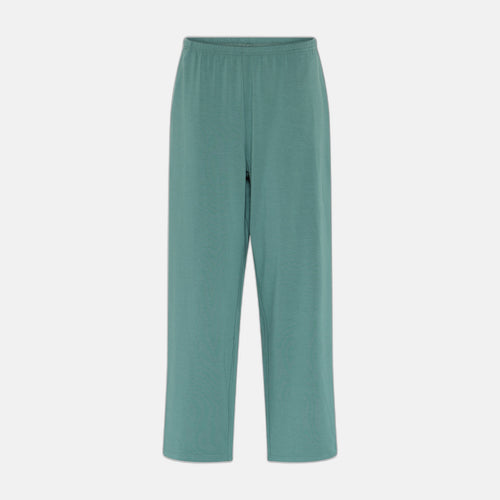
Look at the material name on the label rather than the words in the text. If it says viscose, it is a regenerated fibre, whatever else is said about the plant it comes from. It is the only detail that is the same across shops and countries, so it is the one you can compare. See Bamboo Basics and bamboo pants for women for examples of descriptions.
Is synthetic always worse
No. Polyamide makes socks more hard-wearing, for example, and elastane helps clothes keep their shape. The question is not whether a fibre is natural, but whether it suits what the garment is used for. A garment with a small share of elastane can wear differently from one without, and that is an advantage, not a flaw.
How to find out
Read the fibre name. It is always on the label and it is a reliable detail. See which of the three groups the name belongs to, and then read the shares if there are several fibres. With that you can quickly tell what you are dealing with, however the product is described in the text.
Frequently asked questions
Is bamboo viscose natural
The raw material is, but the fibre is manufactured. Bamboo viscose belongs to the regenerated fibres, which sit between natural and synthetic fibres, because the plant is the raw material but the fibre is made in a factory.
Is synthetic always worse
No. Polyamide makes socks more hard-wearing, for example. What matters is whether the fibre suits what the garment is used for, not whether it is natural.
How do you find out
Read the fibre name. It is always on the label and it is the detail that is the same across shops and countries, so you can always use it to compare.
You can find the full range at Bamboo-Clothing.com.