What a regenerated fibre is
Short answer: A regenerated fibre is a fibre made from a natural material that has been dissolved and formed anew. Viscose, modal and lyocell all belong to the group. It sits between natural and synthetic fibres and mostly behaves like a natural fibre in everyday use.
What the word means
Regenerated means the fibre has been made anew from a natural material that was first dissolved. The dissolved material is then formed into a thread that can be spun and woven or knitted. The raw material is typically cellulose from a plant, and the result is a manufactured fibre, which is something other than the raw material it came from.
Where it sits between the two
Natural fibres are harvested and spun without being dissolved. Synthetic fibres are made from oil. A regenerated fibre starts as a plant and ends as a manufactured thread, so it belongs fully to neither group. That is why the word exists, and why it is often misunderstood when used in marketing.
Which names it goes by
Viscose, modal, lyocell and cupro are the most common names in the group. All are regenerated fibres, but they are not made in quite the same way and do not behave quite the same. The fibre name on the label tells you which one it is, and it is the detail you can rely on most.
How it behaves
Regenerated fibres mostly behave like a natural fibre. They absorb moisture, feel soft and breathe. On the other hand they are often weaker when wet, and you can notice that in the laundry. It helps to follow the care label and not pull hard on wet clothes. See bamboo polos for men.
Where you meet them
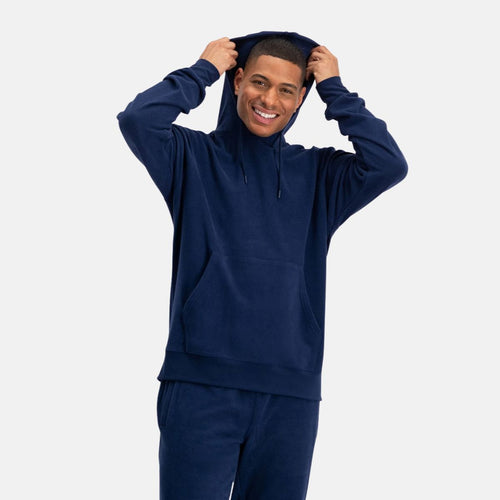
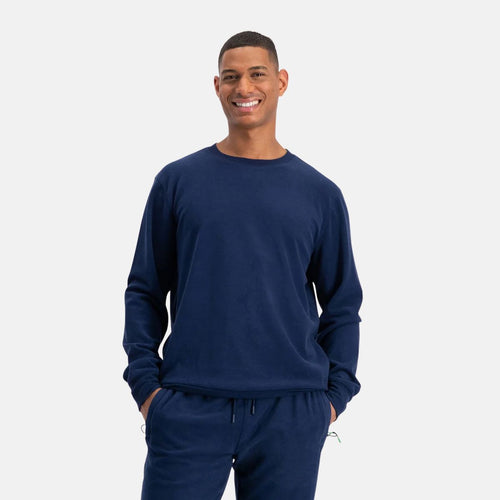
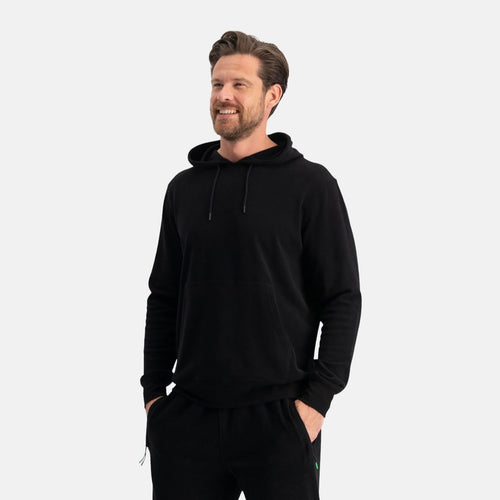
You find regenerated fibres in t-shirts, underwear, nightwear and bedding. These are garments that lie close to the skin for many hours, where softness and moisture uptake matter. See for example bamboo jogging suit for men and bamboo pillowcases and read about the material.
Is regenerated the same as synthetic
No. The raw material is a plant and not oil, and that is the most important difference. Both groups are manufactured fibres, but they start in different places. That makes them behave differently in use, especially with moisture and feel against the skin. Regenerated fibres sit closer to natural fibres than to synthetic ones there.
Is it then a natural fibre
No. The fibre is manufactured and not harvested as a fibre. Even though the raw material is natural, it has been through a process where it was dissolved and formed anew. That process is what separates it from a natural fibre, however soft it is or however natural it feels.
Caring for regenerated fibres
Wash by the care label, preferably on a gentle programme, and avoid wringing the clothes hard. The fibre is often weaker when wet, so gentle handling is an advantage. Let everything dry fully and store it dry. That way the soft feel stays, and you get more use out of each item.
Reading the label
The fibre name on the label is the surest guide. If it says viscose, modal, lyocell or cupro, it is a regenerated fibre. If it says cotton, wool or linen, it is a natural fibre. If it says polyester or polyamide, it is synthetic. With that you can sort what you are looking at quickly, whatever the rest of the text says.
Frequently asked questions
Is regenerated the same as synthetic
No. The raw material is a plant and not oil. Both groups are manufactured fibres, but regenerated fibres mostly behave like natural fibres, because they absorb moisture, feel soft and breathe.
Is it then a natural fibre
No. The fibre is manufactured and not harvested as a fibre. The raw material is natural, but it has been dissolved and formed anew, and that is the difference between the two groups.
Which names does the group cover
Viscose, modal, lyocell and cupro are the most common names. The fibre name on the label shows which regenerated fibre a garment is made from.
You can find the full range at Bamboo-Clothing.com.