Dry indoor air in winter and what it does to your clothes
Short answer: When the heating goes on in winter, indoor humidity drops. That leads to static in clothes, dry skin and an itch that many people mistake for poor clothing, even though the air is often the real cause.
Why the air gets dry
Cold outdoor air holds little water. When it comes inside and is heated, the relative humidity falls, because warm air can hold more water than cold air. The result is a dry indoor climate, especially in January and February, when the heating runs a lot and windows are rarely open for long.
Static clothing
Dry synthetic fabric builds up a charge when it rubs against the skin or other layers. That means small shocks, clinging clothes and hair that stands on end. Natural fibres and viscose absorb moisture and therefore become static less often. Read also about antistatic clothes.
Itching in winter
Dry skin often reacts to rough materials that did not bother you in summer. A label at the neck or a coarse seam can suddenly feel irritating. It is rarely the clothing that has changed, but the skin. If the discomfort persists, talk to your doctor. See also clothes without itching.
The layer next to the skin
If your skin itches in winter, it is worth changing the innermost layer first. That is the layer that rests against the skin all day. Choose a soft, smooth material without coarse seams. Bamboo viscose feels soft against the skin. See bamboo underwear for women.
The bedding
Bedding lies against the skin for around eight hours every night. If it is rough or synthetic, it can add to the feeling of dry, irritated skin in winter. Soft bedding that absorbs moisture feels more comfortable in a dry bedroom. See bamboo bedding.
Why it is felt most at night
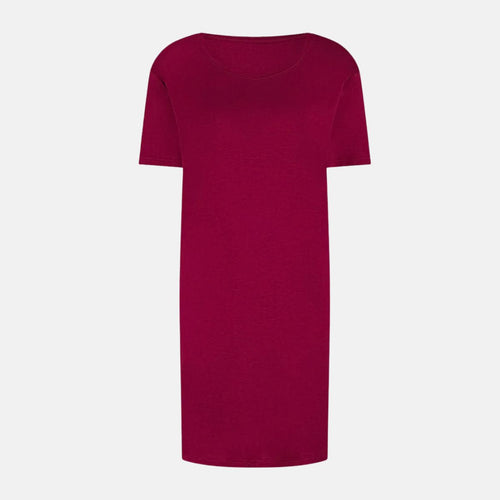
At night the skin rests against fabric for many hours in a row, and that is where dry air and the wrong material are felt most clearly. Nightwear in a soft material that absorbs moisture makes the night more comfortable. See bamboo nightwear for women for sets suited to winter nights.
Humidity at home
A drying rack with laundry noticeably raises humidity in a small room. Air the room briefly and thoroughly a few times a day rather than leaving a window ajar all day. Avoid turning the heating up too high, as that makes the air even drier.
Bedroom temperature
Many people sleep best in a cool bedroom, and it is also better for humidity. Turn the heating down at night, and choose a duvet and nightwear that suit the temperature instead. The air then does not get as dry, and the skin often feels better in the morning.
Washing without softener
Skip fabric softener, which leaves a film on the fabric and makes it less absorbent. Wash at 40 degrees with a mild, unscented detergent, and rinse well. Let the clothes air dry. More tips in the washing guide.
Small habits that help
Drink water through the day, avoid very hot showers, and switch to a mild soap if your skin feels tight. Dress in layers so you can take one off if you get too warm indoors. Heat and sweat can also make itching worse, so being able to adjust helps.
Frequently asked questions
Why do clothes get static in winter?
Because indoor air turns dry when the heating is on. Dry synthetic fabric builds up a charge, while natural fibres and viscose absorb moisture and become static less often.
Why do clothes itch more in winter?
Usually because the skin is dry, not because the clothing has changed. Dry skin reacts to rough materials. If the discomfort persists, talk to your doctor.
What can I do about the dry air?
Dry laundry indoors, air rooms briefly a few times a day and avoid turning the heating up too high. That raises humidity noticeably at home.
You can find the full range at Bamboo-Clothing.com.