What a certificate does not say anything about
Short answer: A certificate does not say how long a garment lasts, how it fits, how well it moves moisture, or whether you will like it. Other things decide that, such as composition, weight, size chart and how the garment is sewn.
A certificate answers one question
A certificate is made to answer one limited thing, for example whether the item was tested for certain substances and stays under the applicable limits. That is useful, but narrow. Everything outside what was tested stays unanswered, however nice the logo looks on the label.
Durability is measured separately
Abrasion resistance, pilling and colour fastness have their own tests, and they are not part of a chemical test. A garment can hold a certificate and still wear quickly or pill. For lifespan, look for details on the fabric itself and on how it is washed and used.
Fit is in the size chart
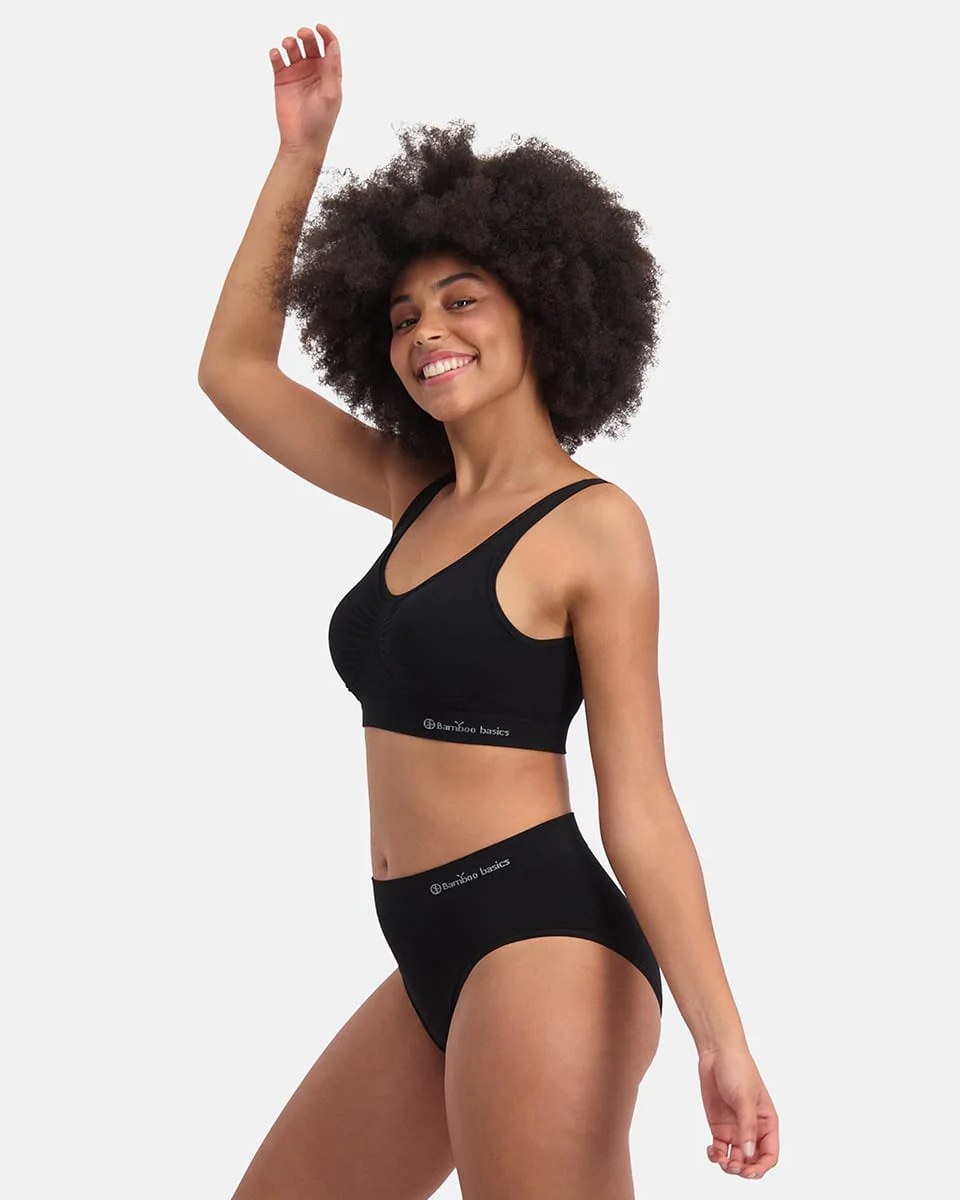
How a garment fits is decided by pattern and fabric, not by a certificate. Check the size chart and measure a piece you already own and like, so you have something to compare with. See JBS and compare measurements before choosing a size.
Comfort is not a number
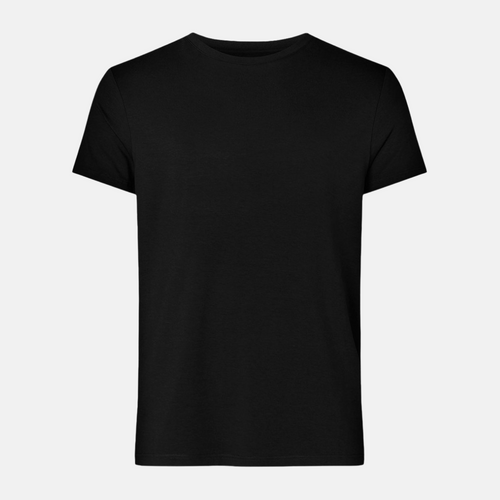
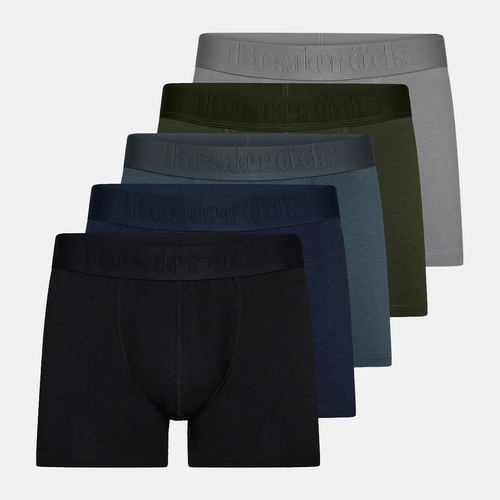
How something feels depends on yarn, knit and your own skin. It cannot be certified, because feel is personal. Two people can experience the same fabric differently. See Boody and Resteröds, and read composition and weight, which say more about feel than a logo.
Moisture and warmth
How well a fabric moves moisture depends on fibre, yarn and knit, and it is tested separately, if at all. A certificate about chemicals says nothing about how the fabric behaves when you sweat. Here it helps to know the material and to try the garment in daily life.
Care matters a lot
How you wash and dry a garment matters a great deal for how long it looks good. Follow the care label, wash at a suitable temperature and avoid unnecessarily harsh treatment. That is in your hands, and it is not in any certificate. A good certificate cannot rescue a garment that is treated roughly.
What the test actually covers
Read what the certificate covers. It often states which product groups and substances were examined. That is what you can rely on, and no more. If in doubt, look up the number and read the scope yourself. That way you do not transfer an approval to qualities it was never meant for.
Beware of big words
A logo can make the whole garment seem better than it deserves. This is often called a halo, and it appears in many industries. Ask yourself: what exactly was tested? Can I find it in the entry? If not, the logo is decoration until you get an answer.
What you can check yourself
Composition, weight, size chart and how the garment is sewn say more about everyday use than a certificate does. Look at seams, neckline and composition, and read the care label. Compare with something you know and wear. It is a simple method that needs no equipment, and it works on every item.
Frequently asked questions
So what does a certificate say?
That the item was tested for certain substances and stays under the applicable limits. That is a narrow but useful answer, as long as you know the scope.
Is a certified garment better than one without?
On the point that was tested, yes. On every other point it says nothing, so judge the rest by composition, weight and fit.
What should I look at instead?
Composition, weight, size chart and how the garment is sewn. Those details tell you most about how the garment will behave in daily life.
You can find the full range at Bamboo-Clothing.com.