What Is Lyocell? The Modern Fibre Explained
Short answer: Lyocell is a manufactured fibre made from cellulose, like viscose, but produced with a different solvent. That solvent can be reused in a closed loop, and the fibre ends up stronger than viscose, including when wet. Those are the two things that set it apart.
What is different in the process
In viscose, the cellulose is dissolved with caustic soda and carbon disulphide. In lyocell, an organic solvent is used that can be captured and reused in a closed system. The cellulose dissolves directly and does not have to be chemically converted on the way.
Why the fibre is stronger
Because the cellulose is not broken down and rebuilt, the long molecular chains are preserved. That gives a thread that takes more pull and does not lose strength when wet, the way ordinary viscose does.
How it feels
Lyocell feels smooth and cool against the skin, very close to viscose. The difference is not noticed in the hand; it is noticed after two years, when a lyocell garment still holds its shape while a viscose one has started to give.
What it is used for
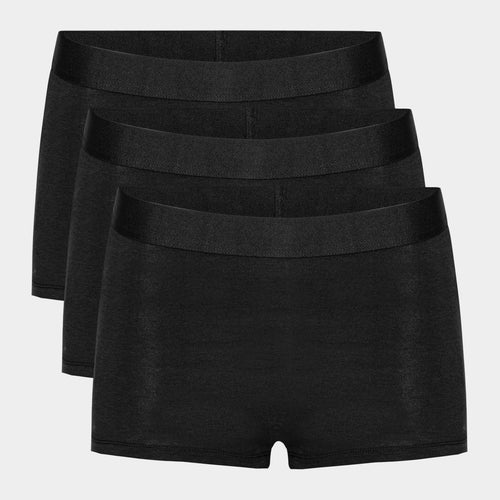
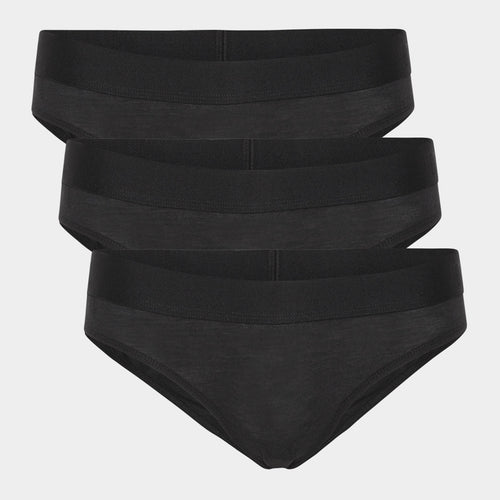
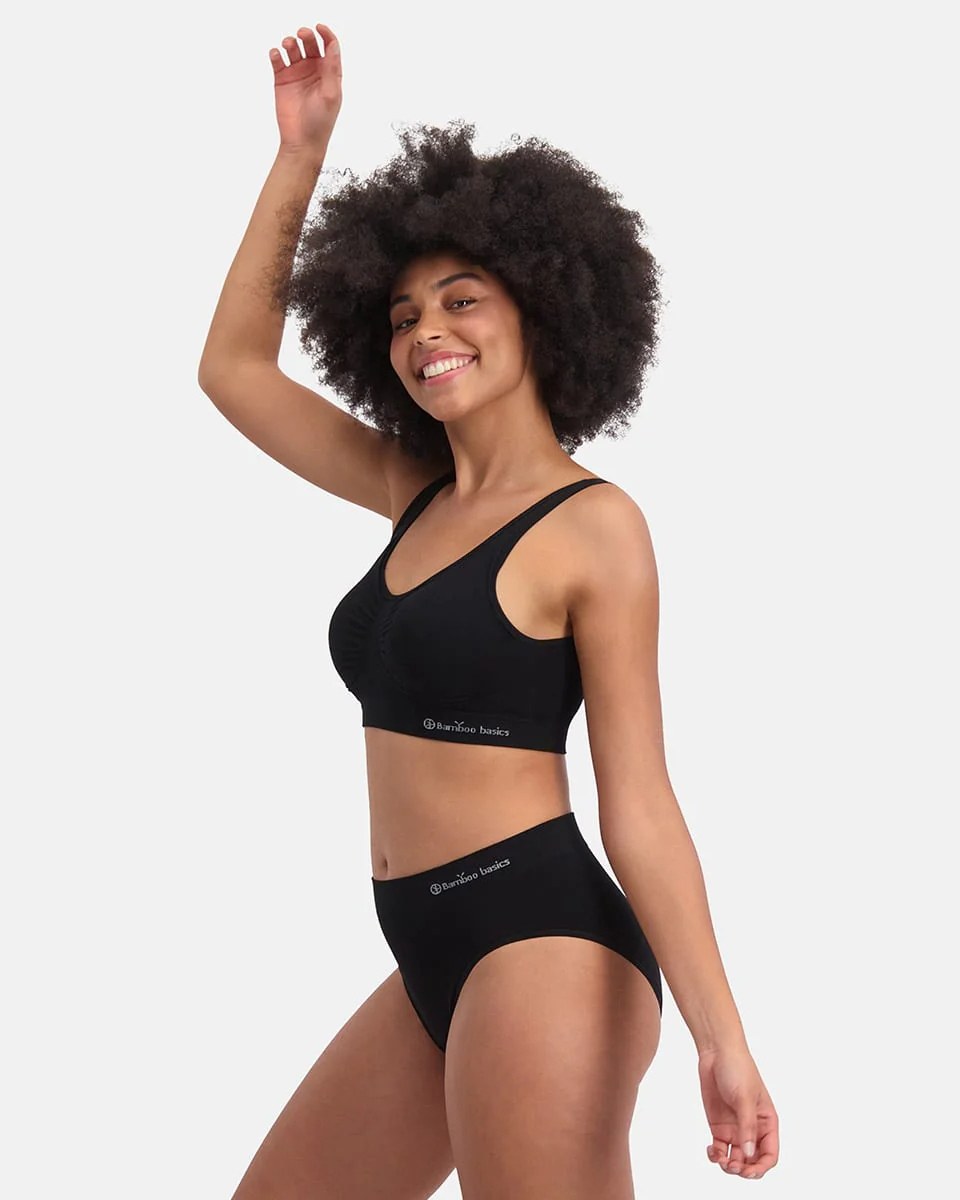
It is used for clothing that has to hold its shape and for bedding that has to take many washes. See bamboo bedding and bamboo underwear for women, where both variants appear in the range.
Lyocell from bamboo
Lyocell is most often made from eucalyptus wood, but the process can also be applied to bamboo. If it is bamboo lyocell, the label says so, and the difference from bamboo viscose lies in the process rather than in the plant.
The price
Lyocell costs more than viscose, because the process and the plant are more expensive. The price difference is typically twenty to forty per cent for a comparable garment, and it is recovered if the garment is worn for years.
How it is washed
30 to 40 degrees, half the dose of detergent and no fabric softener. Lyocell takes slightly more than viscose, but the rule is the same. Tumble drying on low heat is acceptable, where with pure viscose it is better avoided.
How to tell the difference
You cannot see it in the fabric, only read it on the label. If it says lyocell or Tencel, it is the stronger process. If it says viscose or rayon, it is the classic one, and the garment needs handling slightly more carefully.
In a blend with elastane
Lyocell is often blended with a few per cent elastane, exactly as viscose is. The elastane is what gives a garment its shape back after a day's wear, and it is spent before the fibre itself, whichever of the two you chose.
When it is worth the money
For a garment worn weekly for years, lyocell is worth the money. For something worn a few times a year, the difference makes no practical difference, and there viscose is the sensible choice of the two. See also bamboo lyocell vs. bamboo rayon and the honest guide to bamboo viscose and the environment.
Frequently asked questions
What is the difference between lyocell and viscose?
The solvent. Lyocell uses one that can be reused in a closed loop, and the fibre ends up stronger, including when wet.
Is lyocell the same as Tencel?
Tencel is a brand name for lyocell from one particular producer. The material is the same; the name says who made it.
Can lyocell be tumble dried?
On low heat, yes. It takes slightly more than pure viscose, but air drying is still what makes a garment last longest.
You can find the full range at Bamboo-Clothing.com.