Why identical items can change factory
Short answer: Because capacity, price and delivery time change. A brand moves a model when the current factory cannot deliver on time or at the agreed price, and it happens without the item getting a new name.
Capacity is the most common reason
A factory with a full order book cannot take more garments in the period the order should run. So the order is placed elsewhere, at a factory that has room in its calendar. The brand chooses between waiting and moving, and waiting can cost a whole season.
Delivery time counts
A garment that must be in the warehouse for a certain season cannot wait for a delayed factory. If the goods arrive too late, the sale is lost, and that costs more than a slightly higher price. So a brand may choose a factory that can deliver on time, even if it lies elsewhere.
Price and duties also shift
Changed duty rates or rising wages can make one country dearer than its neighbour, and then production moves with the price. It does not happen overnight but over a period in which the brand compares offers. See men's bestsellers for a selection of everyday models.
The brand does not always decide
Sometimes it is the factory that cannot continue. A factory can close a line, change focus or stop a fabric. Then the brand must find a new partner and start over with samples and measurements. It is a big job, so brands rarely move a model without a weighty reason.
The switch shows in the fit
A new factory often brings small differences in measurements. So all sizes are measured again at the switch, and the sample is compared with the old garment measurement by measurement. Even with care, a new factory may sew slightly differently, which can be felt in the sleeves, shoulders or body length.
Quality depends on inspection
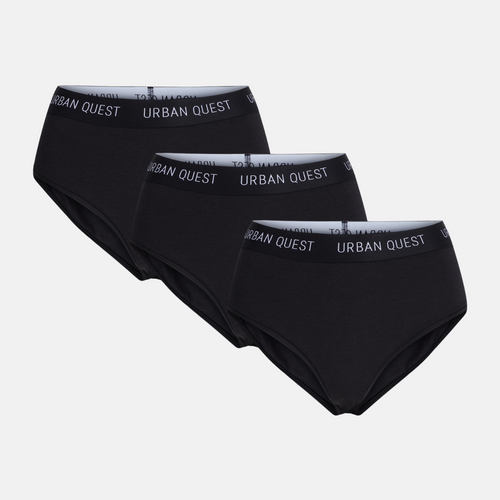
A change of factory does not automatically mean worse quality. It depends on the new factory and on inspection. A factory used to that type of garment, and properly inspected, can deliver just as well as the old one. See Moodies and Urban Quest for brands with a style of their own.
The item is sold under the same name
If the item is sold under the same name and specification, the customer is not always told about the switch. A brand regards it as the same item as long as fabric, measurements and look hold. That is a judgement, so you may find a garment fits slightly differently than last year.
How to check yourself
Compare the measurements on the product page with a garment you already own that fits well. Read the composition and care label, and see which country the item was made in. If you have bought the model before, you may notice differences in fabric and sewing and can choose another size.
Why it is not a fault
A model changing factory is a normal part of how clothes are made. Order books, prices and delivery times change all the time, and a brand must adapt. It is not in itself a sign that something has gone wrong, but it is a reason to compare measurements.
Frequently asked questions
Does the label show that the factory has changed?
Only indirectly. The country of production may change on the label, but the factory name rarely appears on the garment, so the product page measurements are the best comparison.
Does quality get worse?
Not necessarily. It depends on the new factory and on inspection. A factory used to the type of garment, and properly inspected, can deliver just as well as the old one.
Why do I not get a notice?
Because the item is sold under the same name and specification. The brand sees it as the same item as long as fabric, measurements and look hold, so it is wise to check the measurements yourself.
You can find the full range at Bamboo-Clothing.com.