Why Is Bamboo Clothing So Soft? The Physics of the Fibre
Short answer: Bamboo clothing feels soft because the fibres in bamboo viscose are long, round and smooth. They lack the short, rough fibre ends that stick out from cotton yarn, for example. A smooth fabric glides over the skin instead of scratching, and that is basically pure physics.
What we feel as softness
When we call a fabric soft, we are really feeling two things at once: how little it rubs against the skin, and how easily it gives way and follows the body. Both depend on the shape and surface of the fibres, not only on how thick or thin the fabric is.
Cotton fibres under a microscope
Under a microscope, cotton fibres look like flat, twisted ribbons with an uneven surface. The fibres are fairly short, and when they are spun into yarn, many small ends stick out from the thread. Those ends can give a slightly scratchy feel, especially on thin and sensitive skin.
Bamboo fibres are round and smooth
Bamboo viscose is a regenerated fibre. Cellulose from the plant is dissolved and pressed through fine nozzles, forming new, long threads. They are round and even, a little like tiny glass rods, and because they are long, there are far fewer loose ends in the finished yarn.
Less friction, less scratching
The smoother the fibre, the less friction there is when the fabric moves against the skin. That friction is exactly what we feel as scratching. A smooth fabric moves with the body instead when you walk, sit or sleep, and so it feels soft from the very first day.
The drape matters too
Bamboo viscose has a heavy, soft drape. The fabric settles around the body instead of standing out in stiff folds. That means fewer places where it presses or chafes, for example at waistbands, seams and armholes, and you notice it most after a long day.
The softness is in the fibre
A lot of clothing is made soft with fabric softener or surface treatments that slowly wash out. The softness of bamboo viscose comes from the shape of the fibre itself and is not added on top. It therefore does not disappear after the first washes, as long as the garment is treated gently.
How to keep it soft
Wash at 30 to 40 degrees on a gentle programme, ideally with the garment turned inside out. Skip fabric softener, because it leaves a film on the fibres. Avoid the tumble dryer, as high heat wears the fibres and can make the garment shrink. Hang it to dry instead.
Where you feel it most
You notice the softness most in anything that lies against the skin for many hours: underwear, which sits close all day, and nightwear and bedding, which you lie in all night. When the skin is warm and in contact with the fabric for a long time, even small differences in friction become noticeable.
Sensitive skin
Many people with sensitive skin find that smooth fabrics scratch less than rough ones. That is not a promise to solve skin problems, and reactions vary a great deal from person to person. If you have eczema or another skin condition, talk to your doctor before you change anything in your wardrobe.
Try it yourself
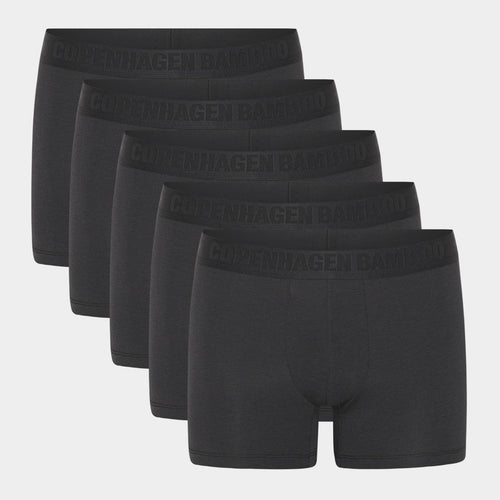
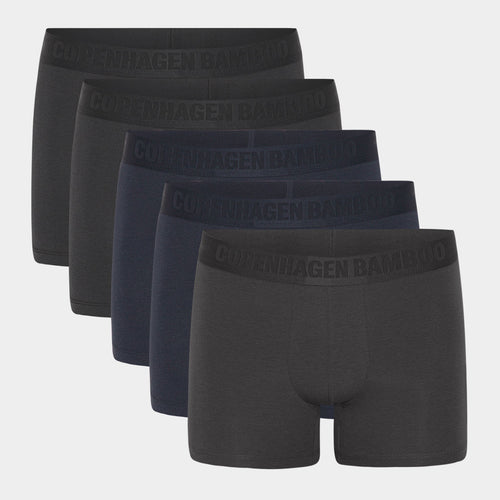
The easiest way to understand the difference is to feel it. Take a look at bamboo underwear for women and bamboo underwear for men for everyday wear, or bamboo bedding if you want to feel the fabric against your skin all night. See also washing guide, the softest basics and bamboo clothing for sensitive skin.
Frequently asked questions
Why is bamboo clothing softer than cotton?
Because the fibres in bamboo viscose are long, round and smooth. There are fewer loose fibre ends in the yarn, which gives less friction against the skin than flat, uneven cotton fibres.
Does bamboo clothing get less soft over time?
The softness is in the fibre itself and does not wash out. If you wash gently, without fabric softener and without a tumble dryer, the fabric stays soft for a long time.
Should I use fabric softener on bamboo clothing?
No. Fabric softener leaves a film on the fibres that can make the fabric less breathable. Bamboo viscose is soft on its own and does not need it.
See our range of Copenhagen Bamboo.