Why sewn in is not the same as made from
Short answer: Because the label says where the garment was assembled, not where the fibre, yarn and fabric came from. All four steps can sit in four different countries, and only the last one is printed on the label. That is why "made in" and "made of" answer different questions.
Four links, four possible countries
A garment starts as a fibre spun into yarn. The yarn is knitted or woven into fabric, and the fabric is cut and sewn into the finished piece. Each step can happen in a different country, because factories specialise. Only the last step reaches the label at the neck.
The label shows the last link
Origin rules generally point to where the last substantial processing took place. That is often the sewing. So a garment can carry one country on its label even though the yarn and fabric came from elsewhere, and the label is not inaccurate because of it.
The words mean different things
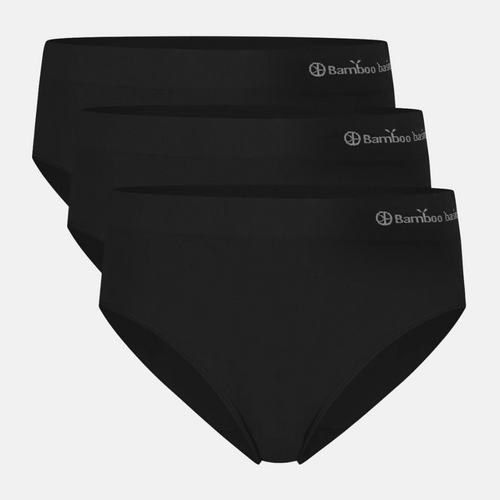
"Made in" points to an action, meaning where the seams were sewn. "Made of" points to a material, such as bamboo or cotton. They answer separate questions, and you cannot read one from the other. See Copenhagen Bamboo for a range where the composition is listed on each item.
The fibre is its own link
The fibre comes from a plant, an animal or a chemical process, depending on the material. That step usually sits far from the sewing and from the customer. Bamboo in the composition says something about the raw material, but nothing about where the yarn was spun or the fabric knitted.
Yarn and fabric
Yarn is spun in one place and often knitted in another. The fabric is dyed, washed and pre-shrunk before it is cut. All of these steps affect how the finished piece feels and lasts, yet customers rarely hear about them. Two garments with the same country on the label can be very different fabrics.
Why both appear on the label
A label carries both a country and a fibre content precisely because the two cannot replace each other. The country tells you where it was assembled. The composition tells you what it is made of. Read only one and you miss half. Compare composition at Resteröds and Bamboo Basics.
How to read the label
Start with the composition in percent, then treat the country as information about assembly. If you want to know more about the fabric's route, ask the producer or the shop, since it is rarely on the garment. An honest answer is often "we do not know", which beats a guess.
Why the words get mixed up
In daily speech "made in" and "made of" are used loosely, so it is easy to assume a garment sewn in one country was produced there. It is an understandable mistake, but it hides that clothing is the sum of several steps. One word on a label cannot hold them all.
What you can use the difference for
Use the distinction when you compare. Ask only about country and you learn only about the sewing. Ask about composition, weight and fit and you learn what actually tells you how a garment behaves in use. Country and composition complement each other, and neither is a quality guarantee alone.
Frequently asked questions
Can I find out where the fabric came from?
Rarely as a customer. That information sits with the producer, not on the garment, so ask the shop or brand directly if you want to know.
Is a garment sewn in Europe made of European fabric?
Not necessarily. The fabric may well be imported, because the country on the label only says where the garment was assembled, not where the material came from.
Why does the label not list more countries?
Because the rules point to the last substantial processing, not to the whole chain. That is why only one step gets space on the label, even if several lie behind it.
You can find the full range at Bamboo-Clothing.com.