Why sizes have changed over time
Short answer: Sizes have changed because bodies have changed, because fashion has changed how clothes should fit, and because brands have moved their letters. These three pull in different directions, so a size today cannot be compared directly with a size from before.
Bodies are not what they were fifty years ago
Average measurements change slowly over generations, and size systems follow, though not always evenly. A brand that builds its measurements on an older model of the body can end up with a size that no longer matches the people who buy. So charts are adjusted now and then, each brand in its own way.
Fashion changes the ease
A period of loose cuts gives more fabric in the same size than a period of close cuts. The body has not changed, only the way clothes are meant to fit. So a shirt from an earlier time can feel tight or roomy next to a new one. See bamboo shirts for women.
Brands move on their own
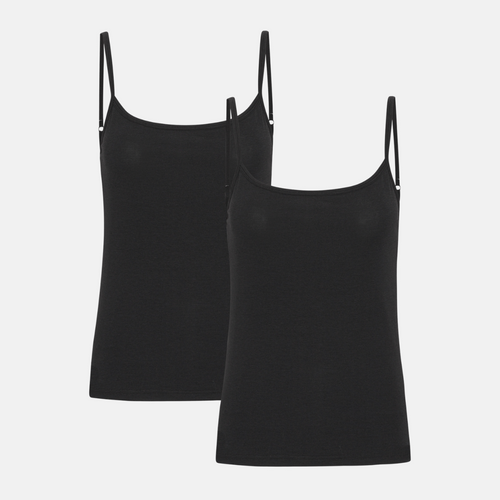
There is no joint decision. Each brand adjusts when it suits them. That can give big differences between two brands with the same letter, and small differences within one brand over time. See bamboo tops for women and bamboo undershirts for women, and compare numbers, not letters.
There is no common standard
There is no single system that all brands follow. An M is a name, not a measurement. That makes it impossible to say how many centimetres an M is without looking at the specific chart. Always look at the numbers and not the letter when you choose a size.
What it means for old charts
Old charts are not wrong, but they show what applied back then. They cannot be used directly to compare with new clothes. An old chart can hint at how a brand thought, but always choose the size for new clothes from the current chart.
Old garments as a guide
Can you use the size of an old garment as a guide? Only loosely. The size on an old label says how the brand counted back then, not how it counts today. Measure the garment flat instead and compare with the chart for the new one. That is far more reliable.
How to compare old and new
Lay an old garment whose fit you know flat and measure width and length. Compare with the numbers in the chart for the new garment. Then you see whether the new one is larger or smaller, whatever the labels say. It takes a few minutes and can save a return.
The fabric changes the fit too
The fabric matters as well. Stretchy knit adapts and evens out small size differences, while a firm fabric gives less. Two garments with the same measurements can therefore fit differently, depending on how the fabric is knitted or woven. Read composition and description before you choose.
How to choose today
If you expect sizes to keep moving, the answer is simple. Measure yourself, compare with the chart for the garment you want to buy, and choose by the numbers. The letter is a shortcut, and the numbers are the answer. Then it hardly matters how much systems change.
Frequently asked questions
Does it mean old charts are useless
For comparing with new clothes, yes. They show what applied back then, and brands have moved since. Always use the current chart for the garment you want.
Can I use my mother's clothing size as a guide
Only loosely. Measure the garment instead of going by the label, and compare the measurements with the current chart. Then you know if it fits.
Will sizes keep moving
Probably. There is no mechanism that holds them fixed, so brands can adjust as needed. That is why the chart numbers are the safe route.