Bamboo vs. Tencel – Are They Not the Same Thing?
Short answer: Bamboo versus Tencel is almost a family quarrel. Tencel is a brand name for lyocell, usually made from eucalyptus, while bamboo viscose is made from bamboo. Both are regenerated cellulose fibres with soft, breathable comfort, and the difference lies in the raw material and how the fibres are made.
Bamboo vs Tencel: what is what
Both fabrics start as plant cellulose and are chemically turned into fibres. Tencel is made in a closed loop lyocell process where the chemicals are reused, while classic bamboo viscose is made in a viscose process. There is also bamboo lyocell, so the names can be confusing. Both are processed fibres rather than purely natural products.
How they feel
In the hand they are hard to tell apart: both are smooth, cool and soft with good moisture transport. Bamboo viscose often feels a touch softer, while Tencel can seem more matt on the surface. For underwear, nightwear and bedding both are good choices, and many people will hardly notice a difference day to day.
Moisture and temperature
Both bamboo and Tencel absorb moisture and move it away from the skin, so they feel less clammy than synthetic fabrics. That makes them popular with people who sweat easily or sleep warm. Bamboo is known for feeling especially cool against the skin, while Tencel is often described as dry and smooth.
And the environment
Neither is a miracle, and we do not promise more than the materials can deliver. Bamboo grows quickly without irrigation, but processing requires chemicals. The closed loop lyocell process reuses much of the chemicals, while the viscose process is more chemical intensive. It is fair to see both as processed fibres with pros and cons.
Bamboo underwear
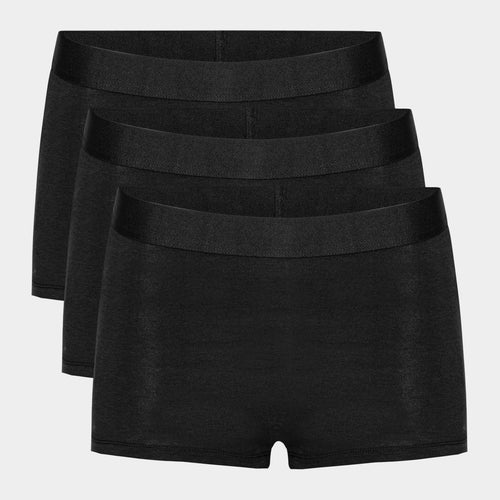
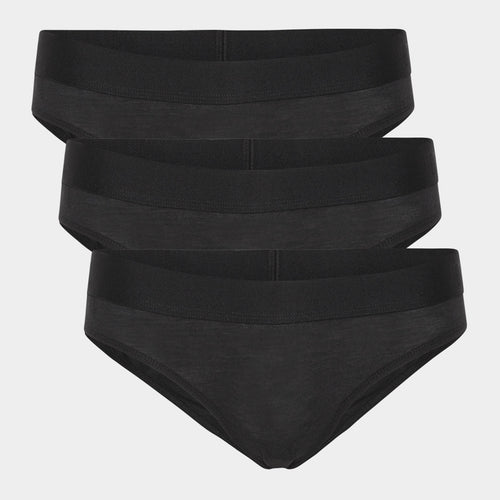
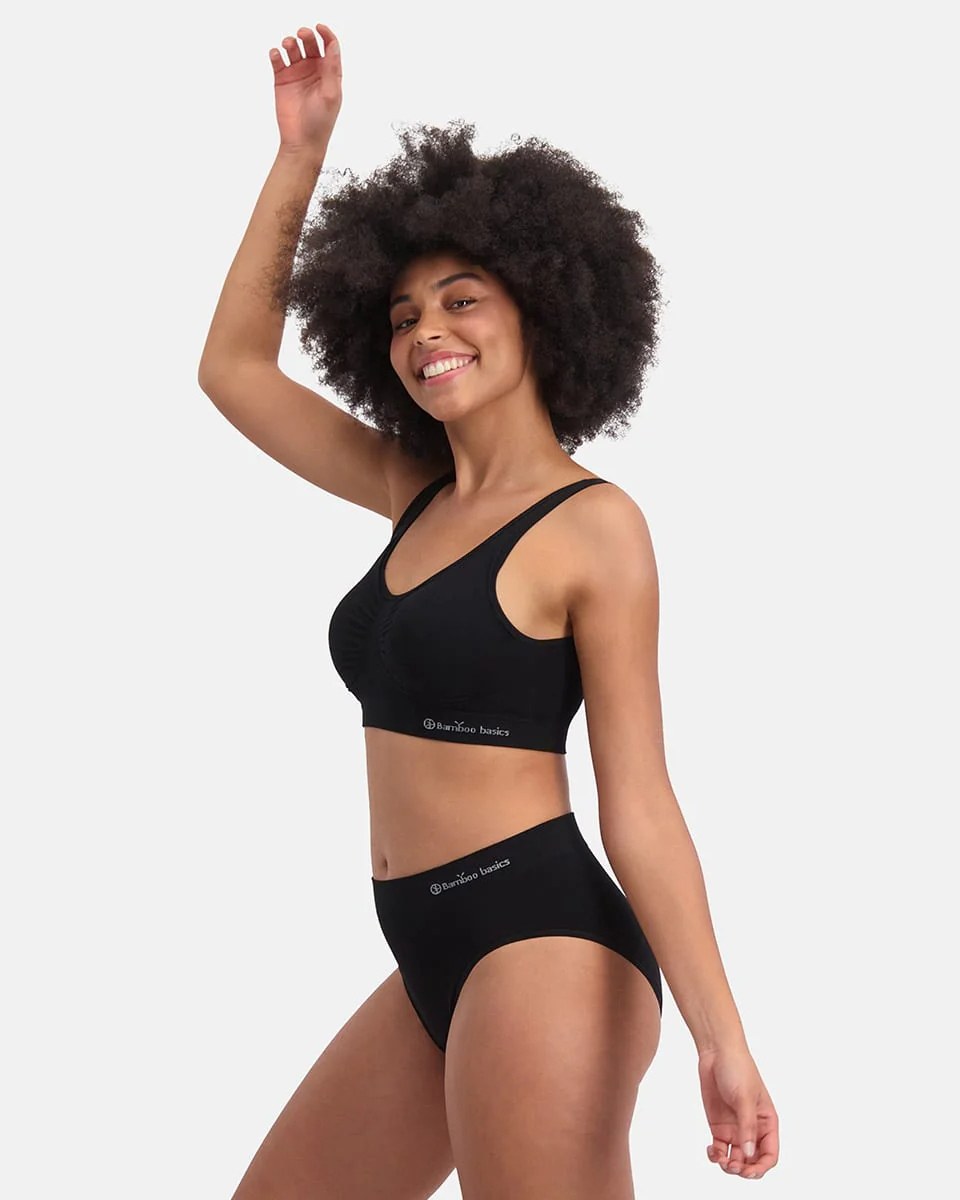
For underwear, softness and moisture transport matter most, and bamboo does well here. Browse our bamboo underwear for women, where the fabric lies smoothly on the skin and feels cool throughout the day. Because the fibres resist odour, the underwear stays fresh and comfortable from morning to evening.
Bedding for warm nights
Bedding in both bamboo and Tencel is popular because it feels cool and smooth. Bamboo bedding moves moisture away from the body and helps keep the bed dry, which many warm sleepers appreciate. The fabric feels soft from the first night and stays comfortable when cared for properly.
Care and washing
Both materials are a little more delicate than cotton when wet. Wash at 30 to 40 degrees on a gentle cycle, use a mild detergent and avoid fabric softener, which can coat the fibres. Dry clothes and bedding on a line or rack rather than in the tumble dryer, so the fabric stays nice for longer.
How to choose
If feel matters most, try both and notice which you prefer. If you want that soft, cool feeling, bamboo is a good choice. If you want a fibre from a closed loop process, Tencel may suit you. In practice, both are far more comfortable against the skin than synthetic fabrics. See also bamboo lyocell vs bamboo rayon and guide to bamboo and the environment.
Frequently asked questions
Are bamboo and Tencel the same?
No, but they are closely related. Tencel is a brand name for lyocell, usually made from eucalyptus, while bamboo viscose is made from bamboo. Both are regenerated cellulose fibres with soft, breathable comfort.
Which is softer, bamboo or Tencel?
The difference is small. Many find bamboo viscose slightly softer and cooler, while Tencel can feel more matt and dry on the surface. Both are noticeably softer than ordinary cotton.
Which is better for bedding?
Both are good choices for bedding, because they feel cool and move moisture away. If you sleep warm and want a soft, smooth feel, bamboo bedding is a calm and practical choice.
You can find the full range at Bamboo-Clothing.com.