Clothes for thin and fragile skin
Short answer: As skin gets thinner with age, seams, elastic and rough fabrics become more noticeable. Smooth materials with flat seams and soft edges are therefore what many choose for the clothes that sit closest to the body.
Rough fabric leaves marks
A heavy seam or tight elastic can leave marks on thin skin that last a long time. The closer the clothes sit, the more it matters. Start by looking for flat seams and soft edges. Read more about underwear without labels and seams.
Smooth surface
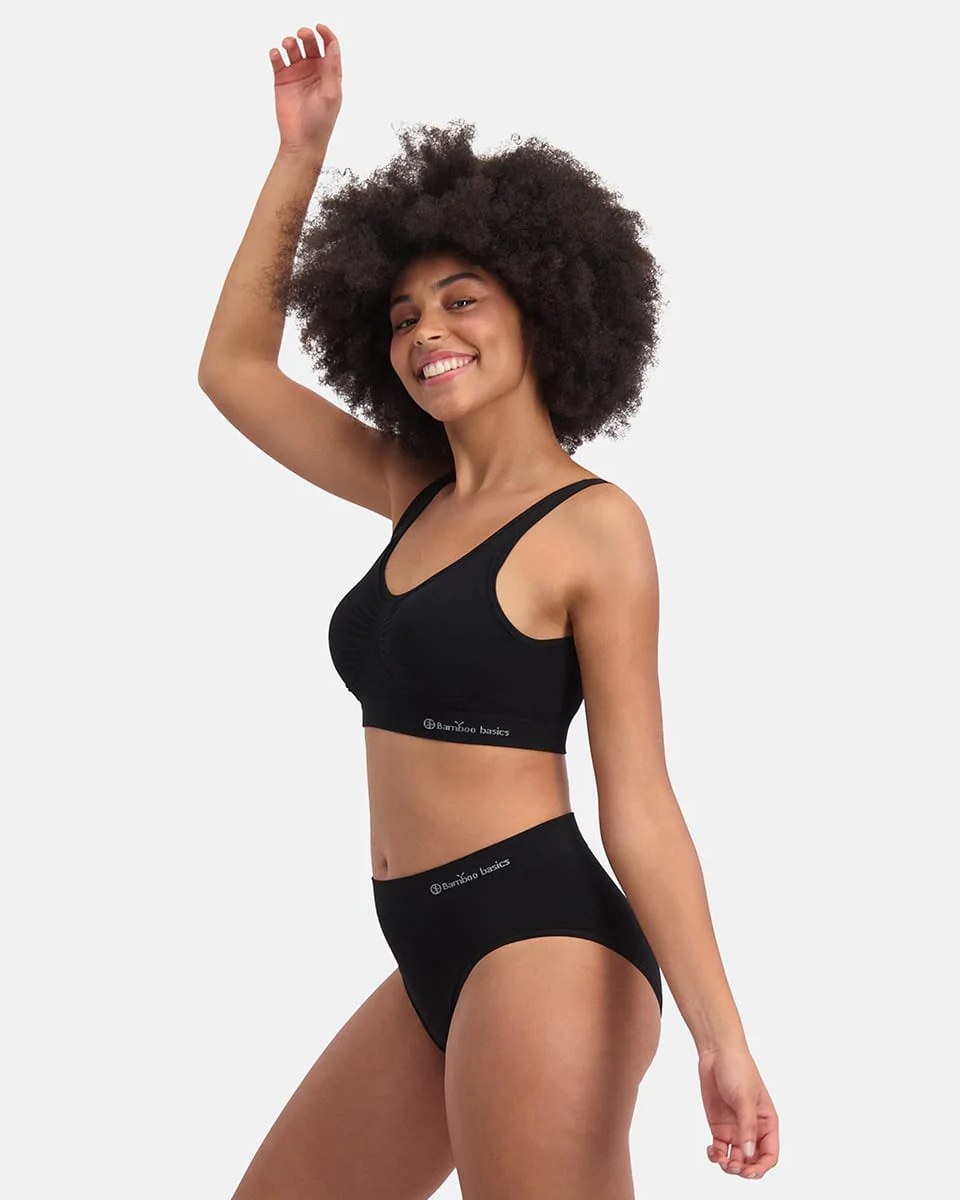
Bamboo viscose has a smooth surface that glides against the skin instead of rubbing. You notice it most where clothes move against the body all day, such as hips and thighs. Underwear is a good place to start, because it sits closest. See bamboo underwear for women.
Soft edges
Socks and underwear without hard elastic are the most important items to change first, because they sit tightly on small areas. A sock with a soft top lies flat without pressing into the skin around the ankle. More in socks without elastic.
Easy to put on
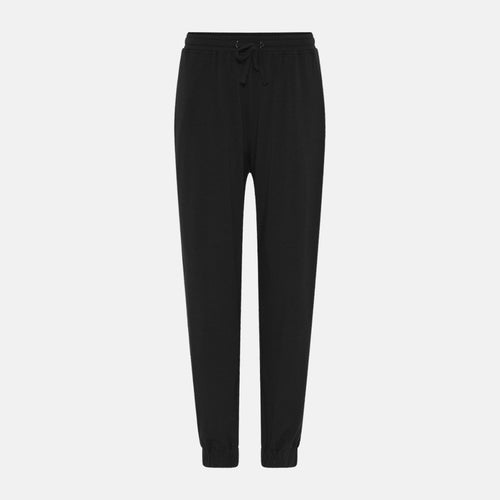
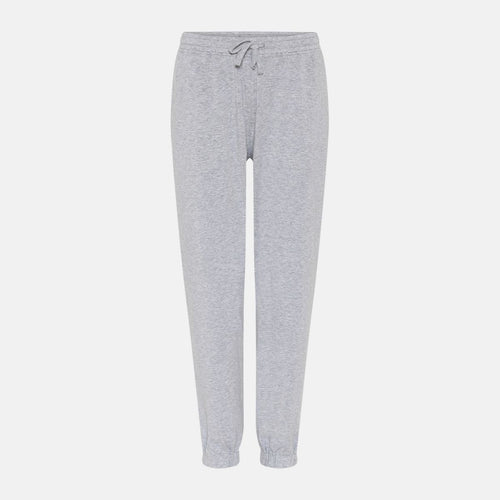
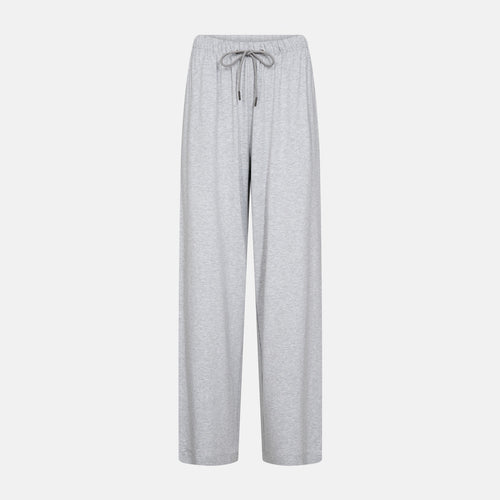
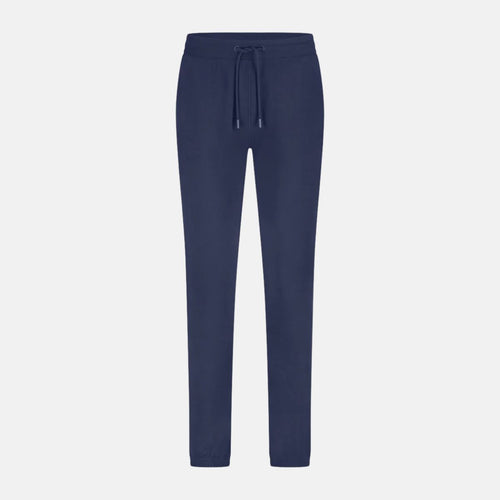
Stretchy clothes without buttons and zips are easier to get in and out of, with fewer places where the skin can get scraped. Trousers with a soft waistband and room over the hips slide on without pulling. See bamboo sweatpants for women.
Wash without fragrance
Residue from detergent and fabric softener sits against the skin all day. Use a mild, fragrance free detergent, skip the softener and add an extra rinse. That leaves less in the fabric. How best to wash bamboo clothing is in the washing guide.
Bedding
You spend eight hours against your bedding every night, and thin skin feels both rough fabric and creases. A smooth cover that does not rub when you turn over can make the night more comfortable. Wash it as gently as your clothes. See bamboo bedding.
Labels at the neck
A stiff label at the neck or side can chafe thin skin during the day. Cut it off right at the seam so no sharp edge remains, or choose styles with the size printed directly on the fabric. It is a small thing that you notice every day.
Fit without pressure
Clothes that are too small press and rub, while clothes that are too big form folds. Both can leave marks. Choose a size that sits close without squeezing, and measure rather than guess. A fabric with some stretch follows the body without cutting in.
With wounds
If there are wounds, pressure sores or skin that tears easily, nursing staff or your doctor should advise on what can lie against the skin. Clothing can make daily life more comfortable, but it does not replace care. Ask once too often rather than once too little.
Change a little at a time
You do not need to replace your whole wardrobe at once. Start with what sits closest and is worn most: underwear, socks and nightwear. Notice what makes a difference and build from there. That way you spend where your skin feels it most.
Frequently asked questions
What does thin skin notice first?
Seams, elastic and rough fabrics. Especially where clothes sit tightly and move against the skin all day, such as around the hips, waist and ankles.
What should be changed first?
Socks and underwear. They sit closest to the skin and have the tightest edges, so that is usually where you notice the biggest difference first.
Does it help to skip fabric softener?
For many it makes a difference, because fragrance and softener residue otherwise sit against the skin all day. Use a mild detergent and add an extra rinse.
You can find the full range at Bamboo-Clothing.com.