Clothes when you have atopic eczema
Short answer: With atopic eczema, itching is often made worse by heat, sweat and rough materials. Smooth, soft fabrics that move moisture away from the skin are therefore what many people with eczema prefer day to day.
Heat and sweat make itching worse
When the skin gets warm and damp, many people itch more. A fabric that absorbs moisture and moves it away from the skin keeps it drier through the day. This matters most when you move a lot or sit warmly dressed indoors, because the heat then builds up under your clothes.
Smooth rather than rough
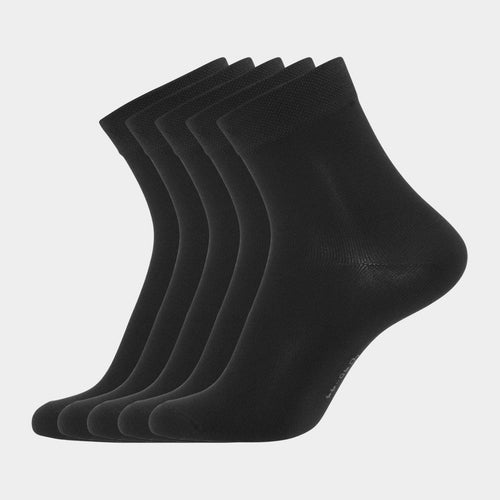
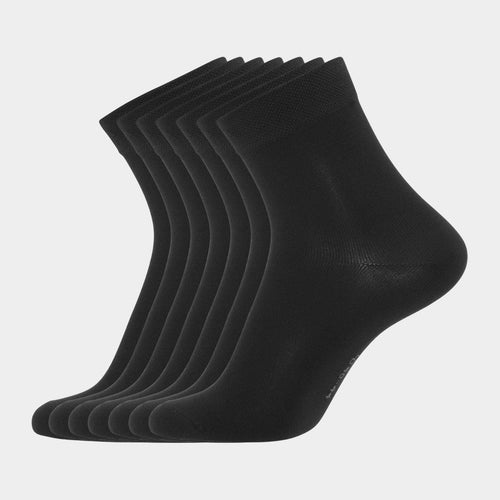
Wool and coarse qualities scratch, while bamboo viscose has a smooth surface that glides over the skin. That is the practical difference many with eczema notice first. Read more about the material and why many with delicate skin choose it in bamboo clothing for sensitive skin, eczema and allergies.
Seams and labels
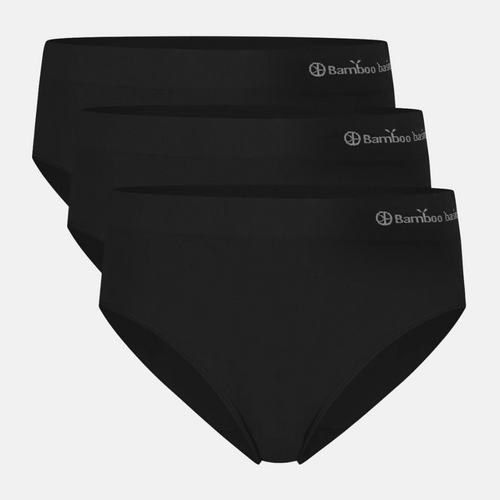
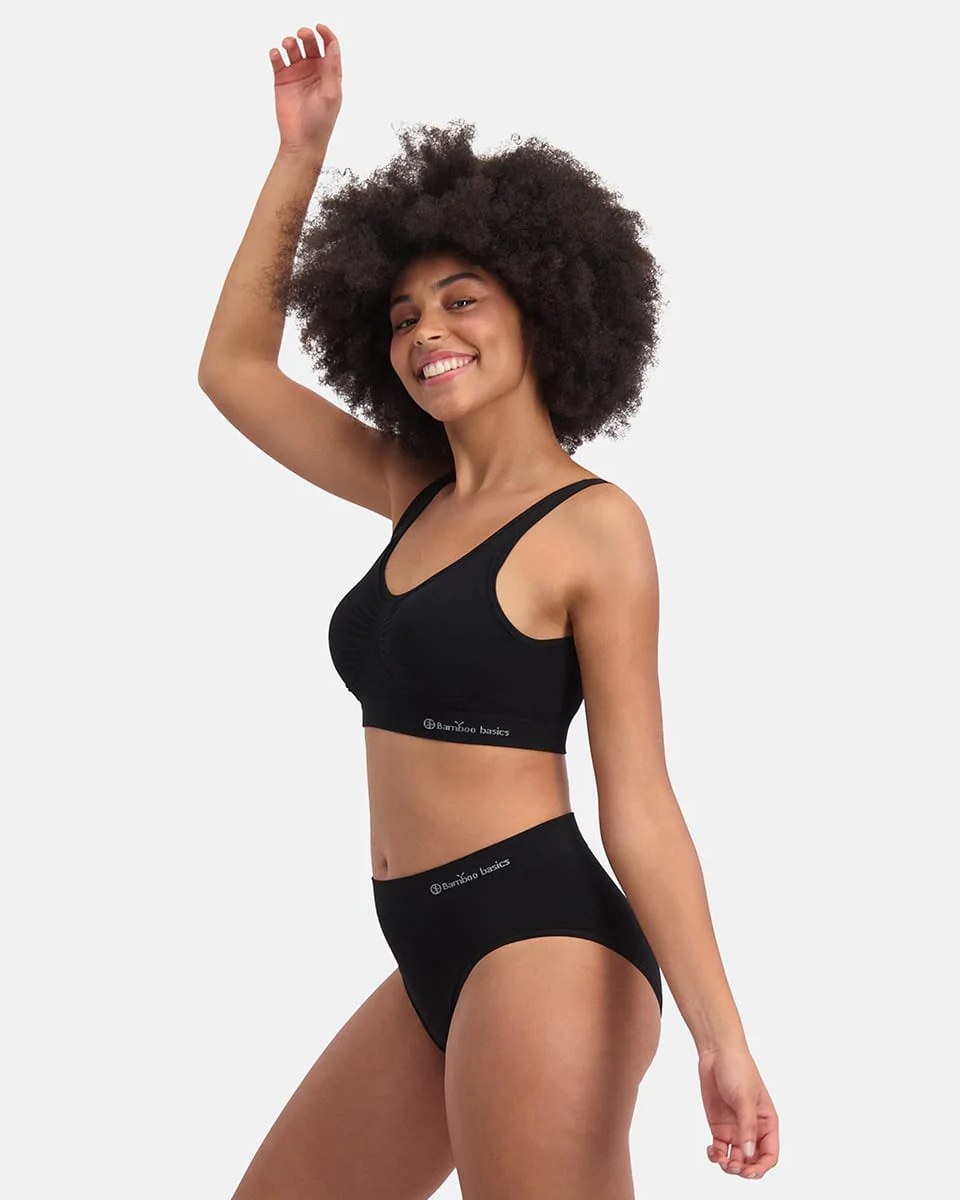
A stiff label at the neck or a rough seam can trigger itching on its own, because it rubs the same spot all day. Look for labels printed on the fabric and flat seams that do not stand up. Read more about what to look for in underwear without labels and seams.
At night
For many, itching is worst at night, and that is often when the skin gets scratched open. Nightwear and bedding that do not trap heat make it easier to lie still. Keep the bedroom cool as well. See bamboo bedding for covers in a smooth, breathable fabric.
Wash without perfume
Residues of fabric softener and perfume stay in the fabric and can irritate the skin all day. Wash with a mild, unscented detergent and no softener, and add an extra rinse. Let the clothes air dry. All tips on temperature and drying are in the washing guide.
Wash new clothes before use
New clothes can contain residues from production, dyeing and transport. Wash them before first use, even if they look clean. That applies to underwear, tops and bedding alike. Read more about why and how in should new clothes be washed before use.
Loose rather than tight
Tight clothing rubs more and holds heat close to the skin. A fit with a little air between fabric and body lets moisture escape and gives less friction when you move. Especially in the elbow creases and behind the knees, where eczema often sits, a looser fit can make a difference.
Layers for the weather
Several thin layers are easier to adjust than one thick jumper, because you can take one off before you start to sweat. A smooth inner layer with a warmer layer on top also lets you wear a wool jumper without having the wool directly against your skin.
Start with the inner layer
If you want to replace things, start with the clothes that lie closest to the skin for the most hours, such as underwear, nightwear and bedding. That is where the material matters most. Tops and trousers can follow later, if you notice a difference and want more of the same.
Talk to your doctor
Clothing choices can make everyday life more comfortable, but they do not treat eczema. If the itching gets worse, or open or weeping patches appear, talk to your doctor or a dermatologist. They can assess treatment and skin care.
Frequently asked questions
Which fabric is best for atopic eczema?
Many prefer smooth, soft fabrics that move moisture away from the skin, such as bamboo viscose. Wool and coarse qualities scratch more. Your own skin, however, decides what feels best for you.
Why is the itching worst at night?
Heat under the duvet and scratching in your sleep make nights hard for many. Nightwear and bedding that do not trap heat, and a cool bedroom, can make it easier to lie still.
Should I avoid fabric softener?
Yes, most people with eczema do. Fabric softener leaves residues and perfume in the fabric that sit against the skin all day. Use a mild, unscented detergent and add an extra rinse.
You can find the full range at Bamboo-Clothing.com.