From Bamboo Plant to Soft Fabric – The Steps in Production
Short answer: The route from a bamboo stem to a soft fabric runs through six steps: harvest, chipping, dissolving, spinning, weaving or knitting, and finally dyeing. They are the same steps whether the raw material is bamboo or wood, and each step shapes the finished fabric.
Step one: the harvest
The stem is cut at ground level once it has stood for three to five years and is hard enough. The root network stays in the ground and sends up new shoots, so a plantation does not have to be replanted between harvests.
Step two: chipping
The stems are cut into small chips, so the surface area is large enough for the chemicals to reach into the material. It is a purely mechanical step and resembles the chipping used on wood for paper production.
Step three: dissolving
The chips are cooked in a solution until the cellulose can be separated from the rest of the plant. This is where the two processes part: classic viscose uses caustic soda and carbon disulphide, while lyocell uses an organic agent in a closed loop.
Step four: spinning
The thick liquid mass is pressed through nozzles with holes as fine as a hair. When the mass hits a bath, it sets into long, unbroken threads. That step gives the fibre its smooth surface, and that is where the softness arises.
Step five: yarn and fabric
The threads are spun into yarn, which is either woven into a flat fabric or knitted into an elastic one. Bedding is woven while T-shirts and underwear are knitted, which is why the two kinds of fabric behave so differently in the wash.
Step six: dyeing
The fabric is dyed, rinsed and dried. It is the most water intensive step in the whole chain and also the one that decides how well the colour holds over the years. A poorly fixed dye bleeds in the first few washes.
Where the softness comes from
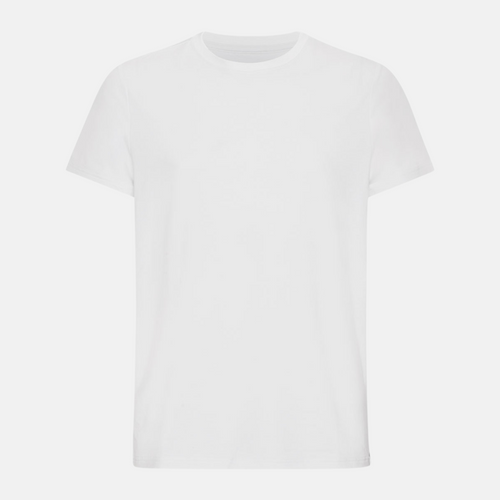
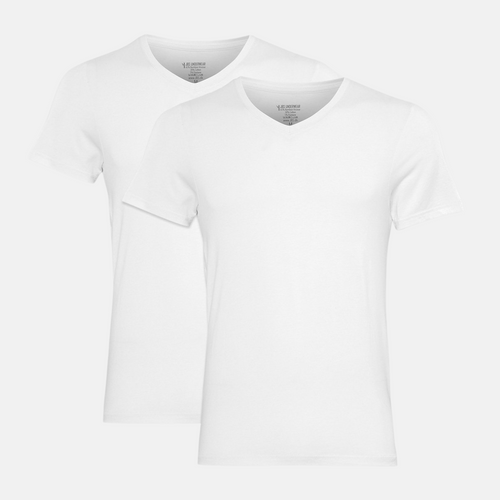
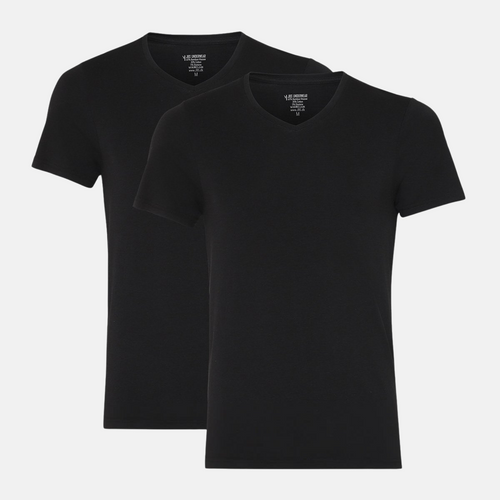
The softness arises in the spinning and not in the plant. The smooth fibre surface follows from the cellulose being pressed through a nozzle and setting without a kink. See bamboo T-shirts for men for the result in a knitted fabric.
The elastane comes last
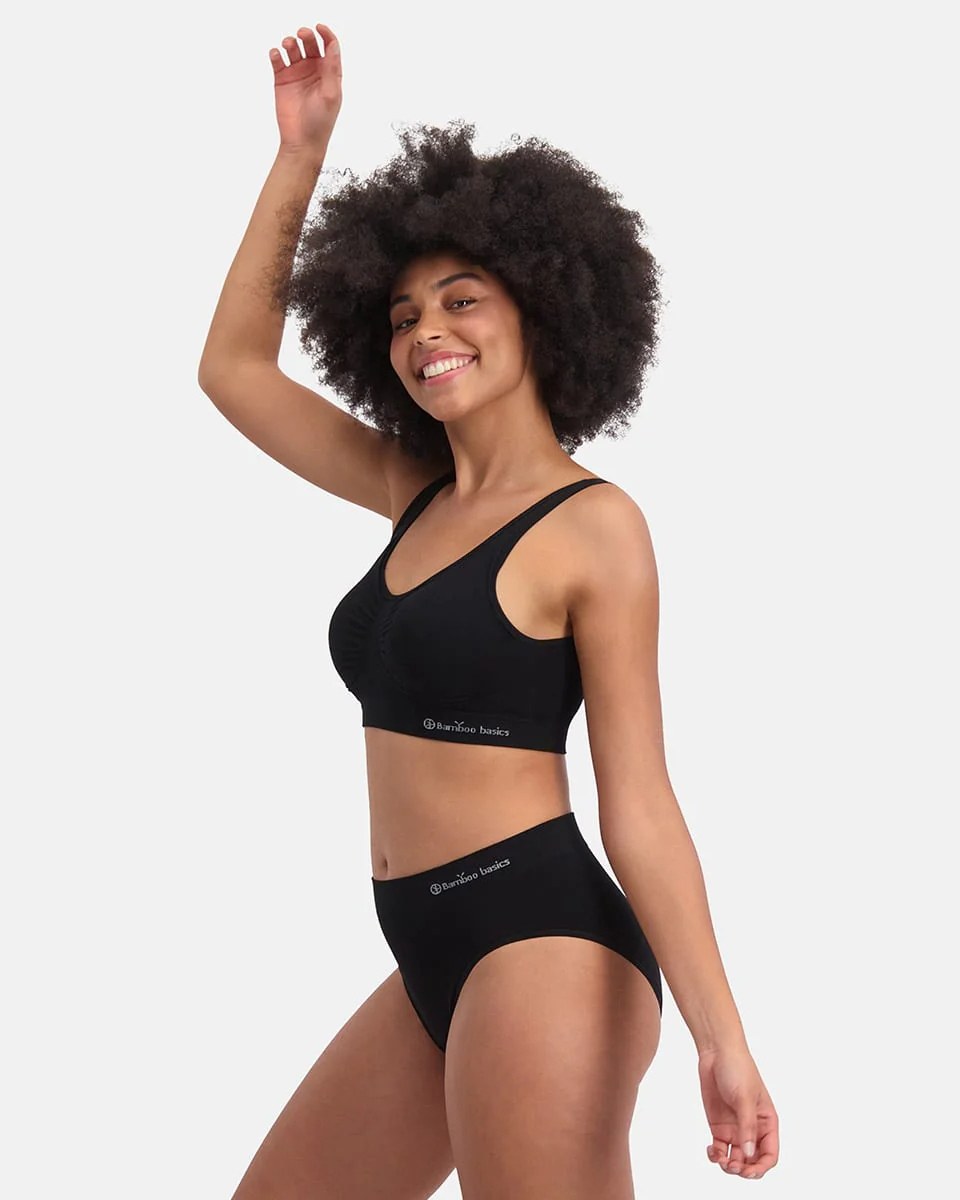
In knitted fabrics a thin elastane thread is knitted in alongside the bamboo yarn. It is what gives the shape back after a day's wear. See bamboo underwear for women, where the share is stated on every item.
The checks along the way
Between each step the thread is measured for thickness and strength, and a batch falling outside the limits does not go on. Those checks decide whether two rolls of fabric from the same factory feel the same once they become clothing.
In bedding there is none
Bedding is woven without elastane, because it does not have to follow a body. See bamboo bedding, where the fabric gets its strength from weave density instead, and a densely woven fabric lasts markedly longer than a loose one. See also the whole truth about bamboo textiles and the guide to bamboo and the environment.
Frequently asked questions
How many steps are there in production?
Six: harvest, chipping, dissolving, spinning, weaving or knitting, and dyeing. The same steps apply whatever the raw material.
Where does the softness come from?
From the spinning. The cellulose is pressed through a fine nozzle and sets into a smooth, unbroken thread, and that smoothness is what you feel.
Which step uses most water?
Dyeing. It is the most water intensive step in the chain and also decides how well the colour holds over the years.
You can find the full range at Bamboo-Clothing.com.