Home textiles in bamboo and what is available
Short answer: Besides clothing, bamboo viscose is also used in bedding, towels and bathrobes. What they have in common is that they lie against your skin for many hours, and that is where you notice the material most.
Bedding
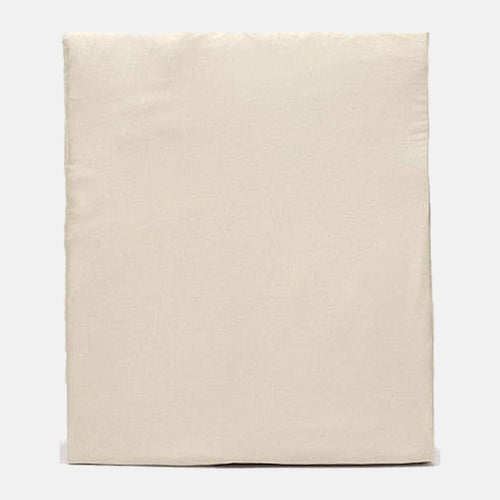
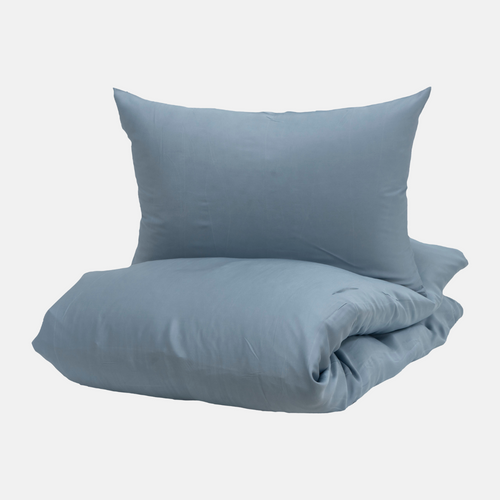
Bedding is the textile with the most skin contact over a full day. You lie in it for seven to nine hours every night, and the fabric should feel soft and move moisture away from the body. See the sets in bamboo bedding.
Towels
A towel is only used for a short time, but on wet skin, where the difference is easy to feel. It should absorb water quickly and stay soft after many washes. A towel that turns stiff makes drying off less pleasant. See the range of bamboo towels.
Bathrobes
A bathrobe is worn morning and evening over sleepwear or after a shower. It should be light enough to walk around in and warm enough for a cool morning. A soft fabric means it does not feel heavy on the shoulders. See the styles in bamboo bathrobe for men.
Loungewear
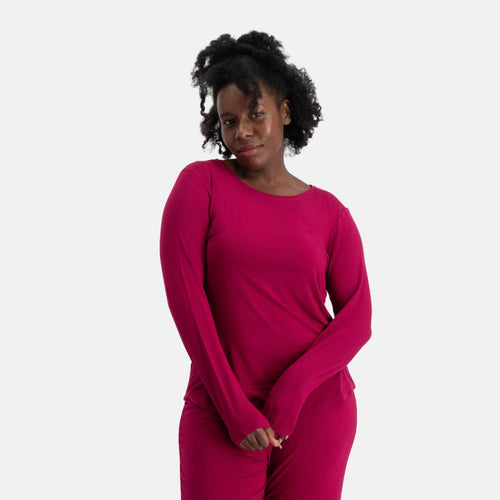
The line between homewear and home textiles is blurred. Soft trousers and a loose top are worn on the sofa, with the morning coffee and sometimes as sleepwear too. What matters is that they feel comfortable for many hours at a time. See more in home and homewear in bamboo.
Why the material matters here
In the hours when you sleep or relax, a clammy or rough fabric is more noticeable than during a busy day. The body is at rest and the skin picks up more. That is why it makes sense to choose a soft, moisture absorbing material for the home.
Everything washes the same way
The benefit of sticking to one material is that everything is washed on the same programme. Bedding, towels and bathrobe can go in the same machine at 40 degrees without fabric softener. It makes the laundry simpler. Read more in the washing guide.
Fabric softener and towels
Many people use fabric softener to make towels soft, but it has the opposite effect on absorbency. It leaves a film on the fibres, so they take up water less well. Skip it, and shake the towel before hanging it to dry. That keeps it soft in a different way.
Drying and storage
Hang towels and bedding up to dry and make sure they are completely dry before they go in the cupboard. Damp textiles quickly develop a musty smell. You can store each bedding set inside one of its pillowcases, so it is easy to find next time.
Where to start
If you want to try the material at home, bedding is where you notice it most, because you lie in it every night. Towels are a good next step. The bathrobe and loungewear can follow once you know what you like.
Read more
Bedding and towels each have their own demands, but much of the same advice applies to washing and care. If you want to know more about those two in particular, there is a fuller explanation in bamboo towels and bedding.
Frequently asked questions
What is available besides clothing?
Bedding, towels and bathrobes. On top of that there is loungewear, which sits somewhere between clothing and home textiles and is worn both on the sofa and at night.
Can everything be washed the same way?
Yes. 40 degrees without fabric softener applies to bedding, towels and bathrobes. Hang everything up to dry instead of using a tumble dryer.
Where do you notice the material most?
In the bedding, because you lie in it for many hours every night. Towels are also easy to notice, because they are used on wet skin.
You can find the full range at Bamboo-Clothing.com.