How a label is checked by authorities
Short answer: The authority buys goods in shops, sends them for testing and compares the result with what the label says. If it does not match, the item must be corrected or withdrawn.
The goods are bought anonymously
The inspection buys the goods like an ordinary customer in a shop or online, so the producer cannot pick a nice sample for the occasion. That makes the result more honest, because the item is the same one on the shelf for everyone else. The sample is a cross-section of what customers actually take home.
The samples go to a laboratory
Once bought, the goods are sent to a laboratory that measures the content by fixed methods. It may be the fibre composition, but also other points the inspection has chosen to focus on. The laboratory writes a report the authority uses as its basis. So a measurement, not an estimate, decides the case.
The label is compared with the measurement
If the label says ninety percent viscose, the content is checked afterwards in a laboratory. Deviations beyond what is allowed count as a labelling error. There is some tolerance, because measurements are never exact, but it is not unlimited. See the range from CCDK, where labels show the content of each item.
The tolerance has a limit
A small deviation is not necessarily an error, because production and measurement can vary naturally. But if the deviation is larger than allowed, it counts as a labelling error. So a label must be right within a reasonable margin, and a round number must not be used as decoration.
The consequence depends on the error
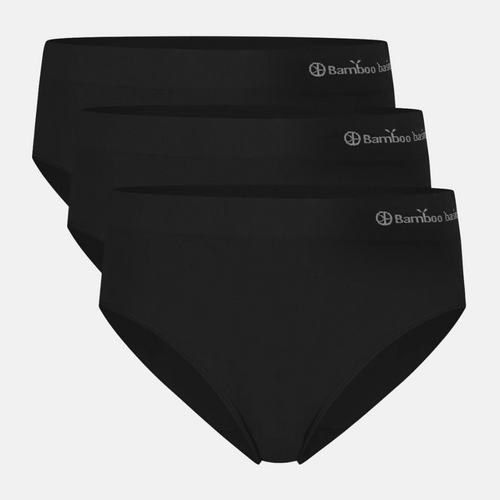
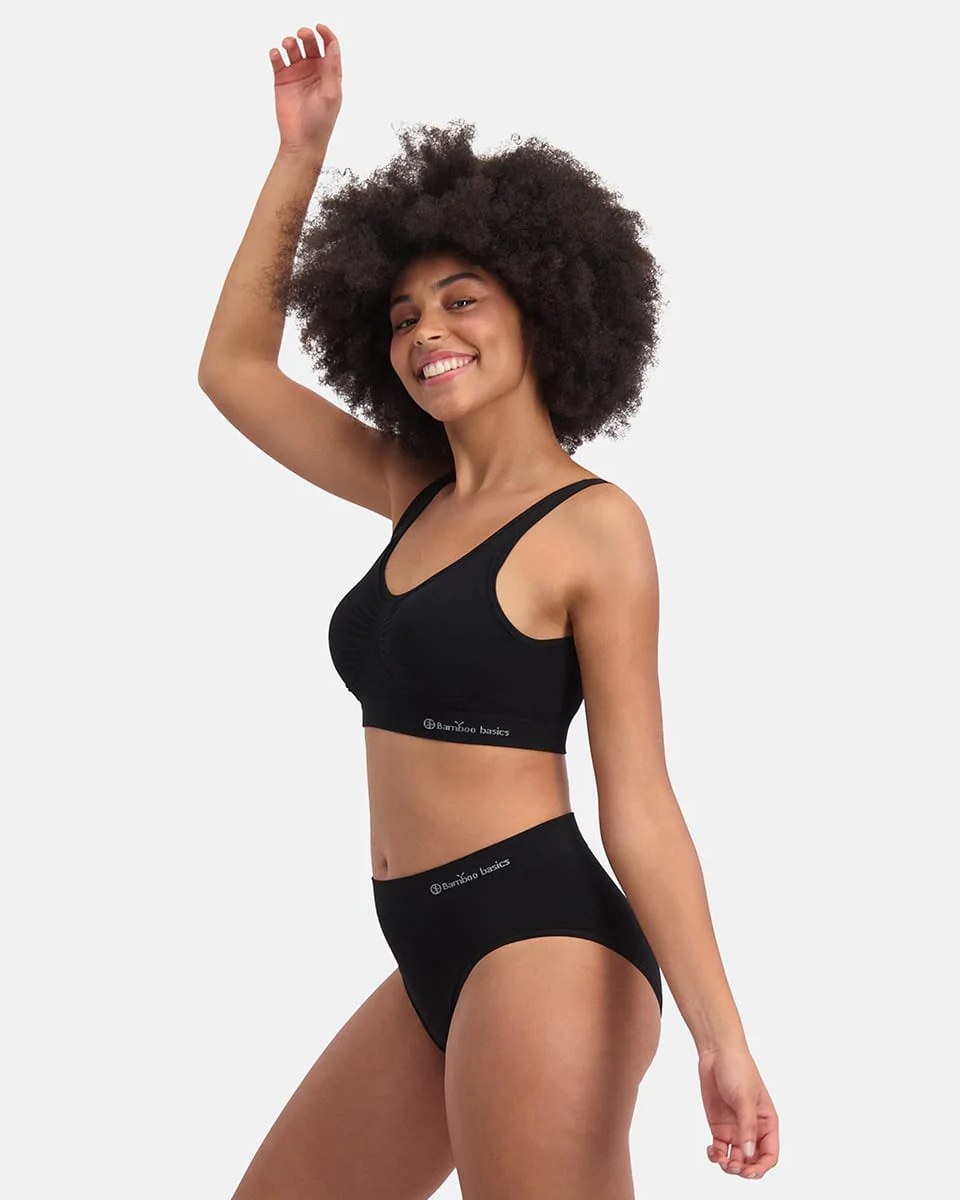
A small deviation typically leads to a request to correct the text. A gross error can lead to an order and ultimately a recall of the item. The authority judges the case by how large the error is and how many items are affected. See Moodies and Bamboo Basics, where content is clearly stated on each item.
Campaigns with a set focus
Campaigns are run from time to time, often focused on one product group. A campaign may target underwear or basic clothing for a period, when the aim is to see whether the labelling is correct. It is a way to cover many brands at once without checking every item all the time.
Results are often published
Results are often published in summary reports from the authority. The reports show how many items were tested and how many had errors. That lets customers and shops see what has gone wrong and what goes well. It is a form of openness that makes it easier to set requirements.
A customer can report a label
If you suspect a label is wrong or misleading, you can contact the authority. It receives enquiries about misleading information and judges whether there is reason to go further. You need not prove anything yourself, but it helps to have the item, the label and a short description ready.
A good brand withstands inspection
A brand whose details rest on a real measurement has no reason to fear inspection. It pays to keep the details right from the start, because that saves corrections and recalls. As a customer you can ask whether the content was measured, and expect a clear answer without big words.
Frequently asked questions
How often does it happen
Campaigns are run from time to time, often focused on one product group. Some years it is underwear, other years another group, so there is no fixed rhythm for any single brand.
Are the results published
Often yes, in summary reports from the authority. The reports typically show how many items were tested and how many had errors, so you can follow developments.
Can a customer report a label
Yes. The authority receives enquiries about misleading information. If you suspect an error, keep the item and label, and write briefly what you saw and where you bought it.
You can find the full range at Bamboo-Clothing.com.