What REACH means for clothing
Short answer: REACH is the EU's rules for chemical substances. For clothing it means that a range of substances are banned or restricted in goods sold in the EU, wherever the item was made.
The rules follow the substance, not the item
REACH concerns chemical substances in all kinds of products, not only clothing. Clothing is just one of the places substances can appear. It means the same rules apply to many different goods, with the substance in focus. The rules say what may and may not be present, not what the item should look like.
Some substances are restricted in textiles
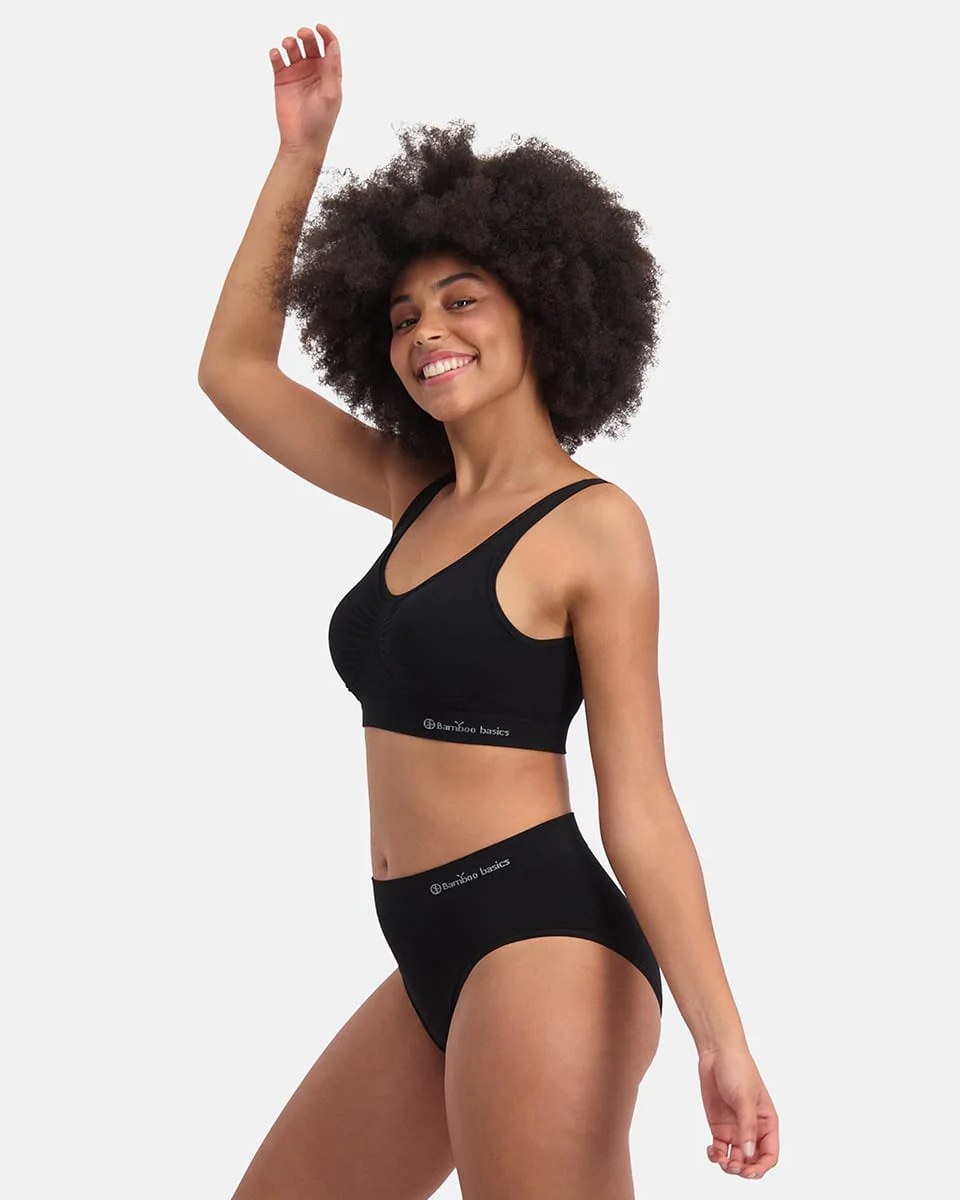
There are lists of substances that must not exceed a certain amount in textiles that touch the skin. Some are banned outright, others limited to a set amount. The lists are updated over time as more is learned about the substances. See the range from Copenhagen Bamboo.
The importer is responsible
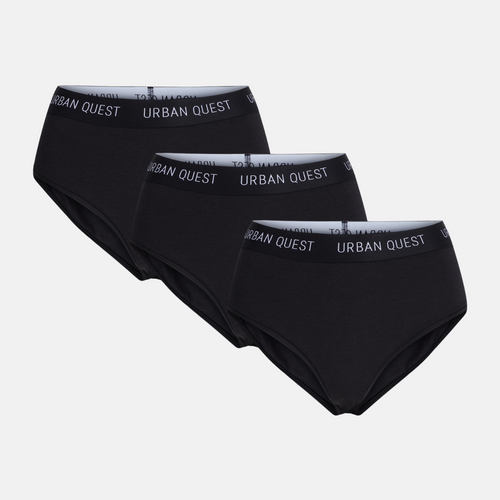
Whoever brings the item into the EU must make sure the rules are met, even when it was made abroad. Responsibility lies with the importer or brand, not the customer. That is an important part of the system, because someone can be held to account wherever production took place. See Urban Quest and Boody.
Law and certificate are not the same
REACH is law and applies to everyone. A certificate is voluntary and paid for by the producer. Both can be relevant, but they are not the same. An item without a certificate can comply with the law, and a certificate can go beyond what the law requires. So it is wise to ask what is documented.
No labelling is tied to the rules
The label does not have to say REACH. No labelling is tied to the rules, so you cannot tell from the garment whether they are met. If an advert says REACH, that says nothing beyond what applies to everyone. What matters is what was tested and how it is documented.
Who checks it
The authorities in each EU country check, often with spot checks in shops. Items are bought, sent for testing and compared with the requirements. If the rules are not met, the item can be withdrawn and the company can receive an order. The checking is not a one-off but continues, with a changing focus.
Imported goods are covered too
The rules apply to goods sold in the EU, not only those made here. A garment sewn in another country must therefore meet the same requirements as one made in Europe. The importer must be able to stand behind that when the goods are brought in.
What it means for you as a customer
As a customer you need not study the lists. The rules are a minimum standard that applies to everyone, and serious shops should meet it. If you want to know more, ask which tests the item has been through and what they cover. Wash new clothes before first wear, as usual.
What you can ask
Feel free to ask whether the item was tested and to which standard. A brand that takes the rules seriously can answer concretely. Be wary of big words without documentation, and remember that the law is a floor, not a top grade. With skin problems, talk to your doctor.
Frequently asked questions
Is REACH the same as a certificate
No. REACH is law and applies to everyone. A certificate is voluntary and paid for by the producer, so it is something else, which can add to the law's requirements but not replace them.
Must REACH be on the label
No. No labelling is tied to the rules. You cannot tell from the garment whether they are met, and the importer is responsible for that.
Who checks it
The authorities in each EU country, often with spot checks in shops. Items are bought, tested and compared with the requirements, and if the rules are not met, the item can be withdrawn.
You can find the full range at Bamboo-Clothing.com.