Why pH is measured on a finished fabric
Short answer: pH is measured on a finished fabric because skin has a slightly acidic surface, and a fabric that is too alkaline or too acidic can irritate. The measurement also shows whether the rinsing after dyeing was completed.
Skin has a slightly acidic surface
Skin is not neutral. It has a slightly acidic surface, which is part of its natural balance. A textile lying close to the skin for many hours should not disturb that balance much. That is why a pH range is set for textiles, so the fabric sits close enough to the skin's own level not to bother it.
The number tells about the rinsing
Dyeing and finishing use both acid and alkali. The pH is adjusted along the way, and afterwards the fabric must be rinsed so residues disappear. If the fabric is rinsed well, the pH lands close to the skin's own level. The measurement is a simple way to see whether the process was finished.
Deviations point to residues
A high number usually means alkali left over from the process, while a low number points to leftover acid. Both signal unfinished work. The measurement catches something that cannot be seen or felt at first glance. See the range from CCDK, where you can read about materials and content.
What pH is
pH measures how acidic or alkaline something is. Neutral sits in the middle of the scale, and the further you move from the middle, the stronger the acid or alkali. It is measured in a solution where the fabric has lain in water, so the number can be read and compared with the standard's range.
The requirement is strictest close to the skin
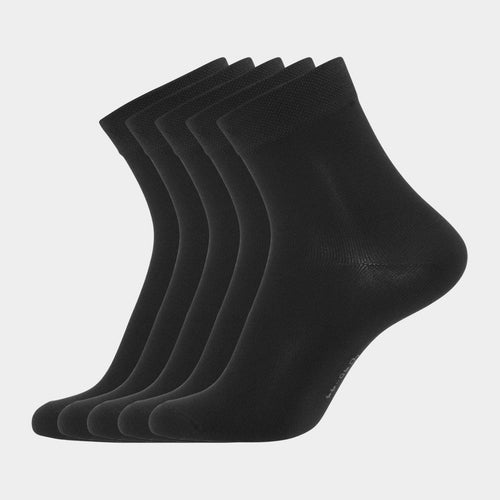
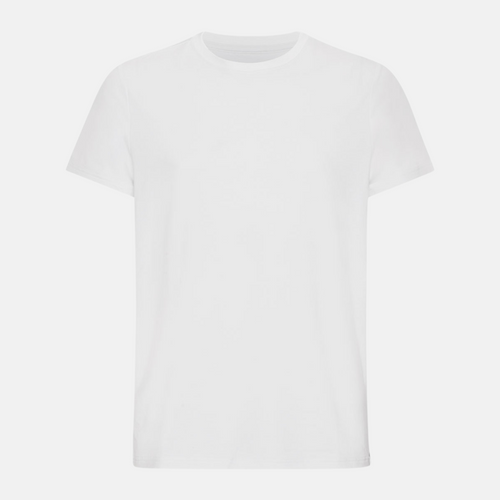
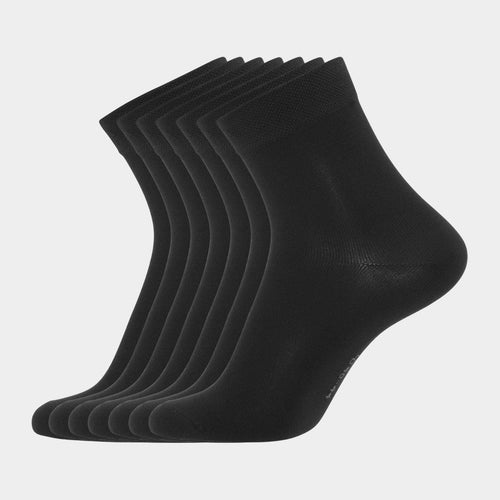
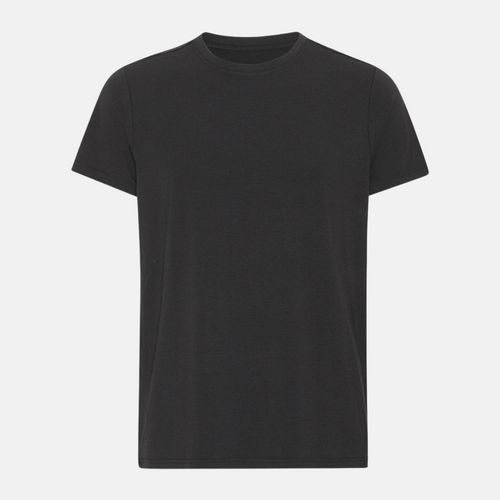
A fabric for underwear has a narrower range than a fabric for a curtain. The reason is the same as for other limits: the closer and longer the skin contact, the less room. See also Lindbergh and Copenhagen Bamboo, where clothes are made to be worn close to the body all day.
Washing changes the number
A wash usually brings the fabric closer to neutral, because the water carries part of the residues away. That is one reason to wash new clothes before first use. Washing does not replace the measurement, but it is a simple extra safeguard you can provide yourself at home.
Can you feel a wrong pH
Rarely directly. Some people notice itching or redness from new clothes, but that can have many other causes, such as material, seams, detergent or heat. So pH cannot be blamed from a feeling alone. With lasting skin problems, talk to your doctor about what may lie behind it.
Can I measure pH at home
You can buy strips, but the result is imprecise without the right method. The laboratory uses a fixed procedure with specific water and specific time, so results can be compared. It is better to trust a test made to the standard than a strip held against a damp patch.
How to use this
You need not know the number, but it helps to know why a limit exists. Wash new clothes before first wear and ask the seller which standard the item was tested to. A brand that takes the measurement seriously answers plainly. Big words without documentation are not a good sign.
Frequently asked questions
Can I measure pH at home
You can buy strips, but the result is imprecise without the right method. The laboratory follows a fixed procedure, so a test to the standard is more reliable than a quick check at home.
Does pH change with washing
Yes. A wash usually brings the fabric closer to neutral, because the water carries residues away. The limit applies to the item as sold, however, not after washing.
Can you feel a wrong pH
Rarely directly. Some people notice itching, but that can have many other causes. With lasting skin problems, talk to your doctor about what may lie behind it.
You can find the full range at Bamboo-Clothing.com.