Static electricity in clothes in winter
Short answer: Static electricity builds up when the air is dry and two materials rub against each other. Natural fibres such as bamboo viscose absorb moisture and therefore become static less often than synthetic materials.
Why it happens in winter
Indoor air becomes dry when the heating is on, and the cold air outside holds little moisture either. Dry fabric cannot conduct the charge away, so it builds up instead. That is why most people notice small shocks and clingy clothes in exactly the months when the radiators are running.
Synthetics are the worst
Polyester and nylon absorb almost no moisture and therefore become the most static. Bamboo viscose is made from cellulose and takes up moisture from the air, so part of the charge is carried away. The problem does not vanish completely, but it is usually smaller with fewer synthetic layers.
The layer next to the skin
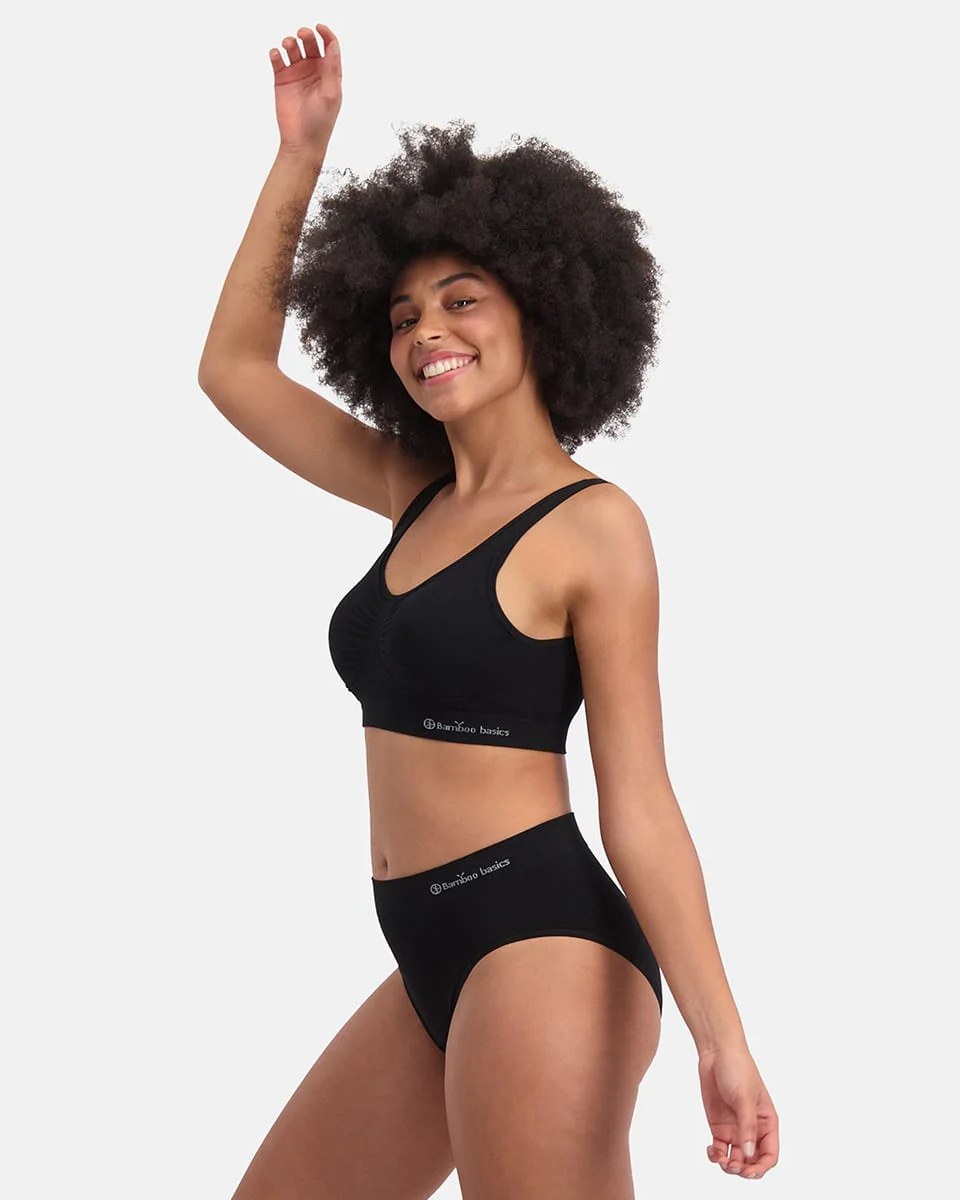
If the innermost layer is a natural fibre, less happens, because that layer takes up moisture from the skin and keeps the next fabric slightly damp. This matters most under a wool or fleece jumper. See bamboo vest for women.
The slip
A smooth slip between dress and tights stops most of the clinging, because it separates the two layers that would otherwise rub together. Choose a slip that is a little shorter than the dress so it does not show. See bamboo slip.
Tights
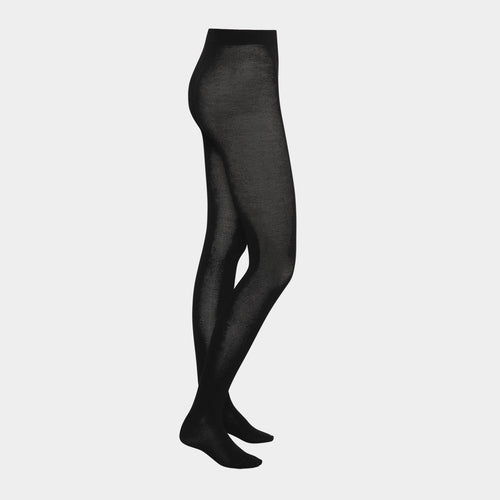
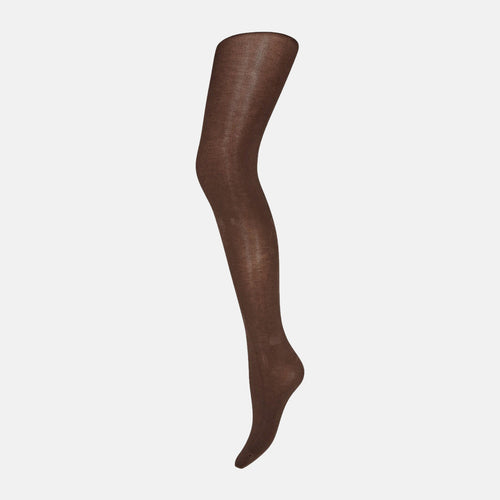
Nylon tights are often the reason a dress clings to the legs. Tights with viscose in the material usually create less charge, especially together with a slip. Check the material before buying and try them under the dress that usually causes trouble. See bamboo tights for women.
Moisture in the room
Slightly higher humidity indoors reduces the problem noticeably. A drying rack with laundry in the living room actually helps, as does a bowl of water on the radiator or plants on the windowsill. Air the room briefly and fully rather than leaving the window ajar all day.
No fabric softener
Fabric softener is marketed against static, but it leaves a film on the fibres that reduces moisture transport. With bamboo viscose it is precisely the moisture that helps, so softener does more harm than good in the long run. Read more about antistatic clothes.
The tumble dryer
The tumble dryer is one of the biggest sources of static clothing, because the items rub against each other in completely dry, warm air. Hang your clothes on a rack instead. It is gentler on the fibres, and the damp rack in the living room improves the indoor air at the same time.
Bedding and nightwear
Static is also noticeable in bed, where a synthetic layer under the duvet can crackle and give small shocks when you turn over. Bedding made from natural fibres usually causes less of it. See bamboo bedding.
General washing
Wash at 30 or 40 degrees with a mild detergent and avoid using too much. Detergent residue can also make the fabric drier and stiffer. The rest of the rules are in the washing guide.
Frequently asked questions
Why do clothes become static in winter?
Because indoor air is dry when the heating is on. Dry fabric cannot conduct the charge away, so it builds up and causes small shocks and clothes that cling to the body.
Does fabric softener help against static?
Only briefly. Softener leaves a film on the fibres that reduces moisture transport, and with bamboo viscose it is precisely the moisture that helps against the charge.
How do I stop a dress from clinging?
A smooth slip between the dress and tights stops most of it. A little more moisture in the air and tights with fewer synthetic fibres also help.
You can find the full range at Bamboo-Clothing.com.