What GOTS is and why it rarely applies to viscose
Short answer: GOTS is a standard for textiles made from organically grown natural fibres. Viscose is made chemically from plant pulp, so it is not a natural fibre in the standard's sense. Other schemes cover forestry and harmful substances instead.
GOTS is a standard for organic fibres
GOTS is a standard for textiles made from organically grown natural fibres. It is typically used for cotton and wool, where farming can be followed from field to finished fabric. It tells you where the fibre comes from and how it is handled, not how a fabric feels.
The requirements follow the fibre
The idea is that the requirements follow the fibre all the way, from farming through spinning and weaving to the finished garment. That gives one framework for a long chain. The standard is built around the organic fibre, and it decides whether a product can qualify at all.
Viscose is a manufactured fibre
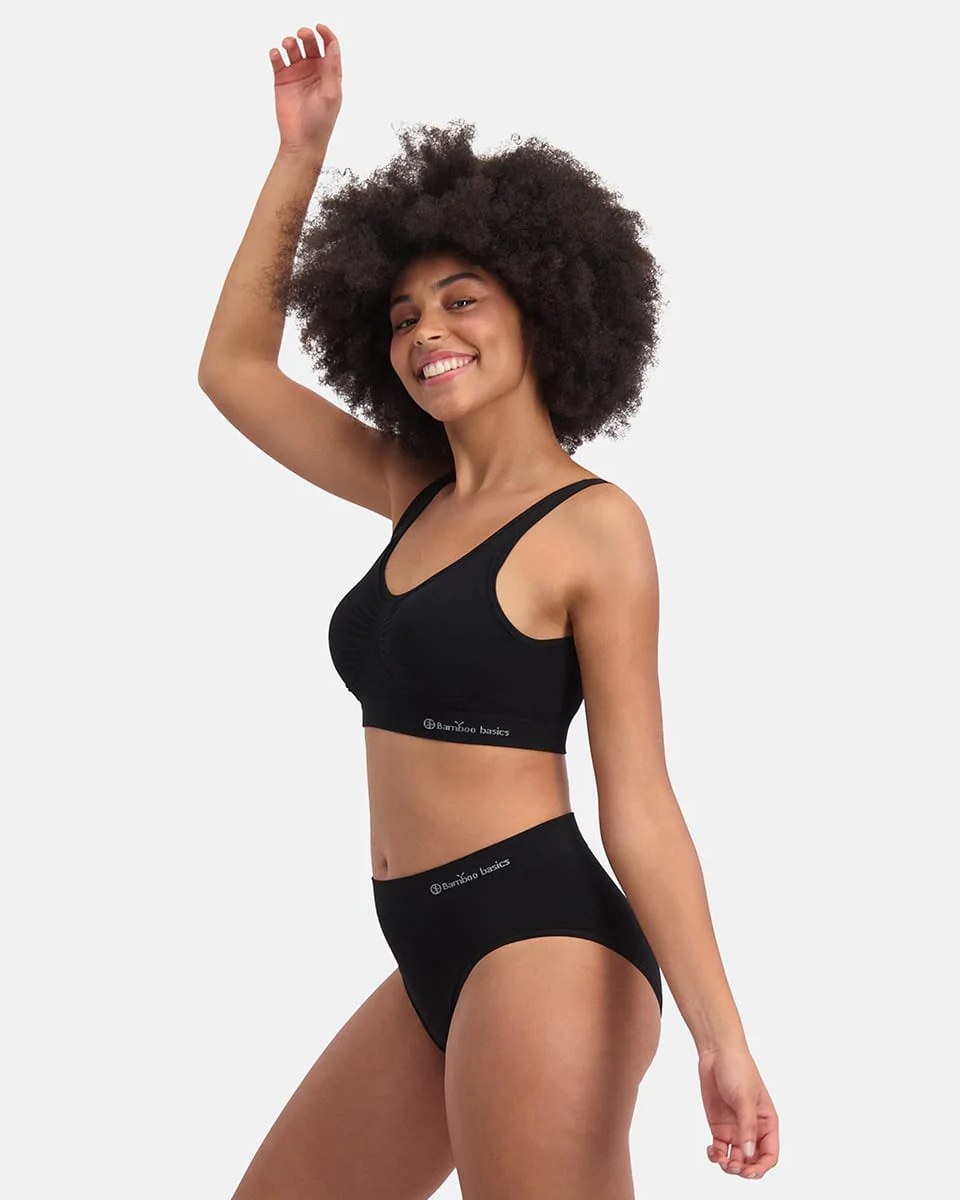
Viscose is made by dissolving plant pulp chemically and pressing it out as threads. The fibre is created in a process rather than harvested as it is, the way cotton and wool are. That is why viscose is not a natural fibre in the standard's sense. See Bamboo Basics.
Plant pulp becomes a new fibre
Once the pulp is dissolved and pressed out, the original plant material is no longer a fibre but a new material with its own properties. That is why viscose cannot be tied to organic farming the way a cotton fibre can. The raw material and the fibre are two different things.
Other schemes cover viscose
Viscose is usually covered by other schemes that look at forestry and at harmful substances instead. They say something different from GOTS, but they are not worse for that. You simply need to know what each scheme covers. See the clothing from JBS and Copenhagen Bamboo.
Forestry and harmful substances
Forestry schemes look at how trees and plants are grown and harvested before the pulp becomes fibre. Schemes for harmful substances look at whether the finished textile stays below set limits. Both are useful to know, but neither concerns organic farming, so they should not be mixed up with GOTS.
What the label actually tells you
A GOTS label tells you about how the fibre was grown and the chain behind it. It does not tell you whether the fabric is soft, keeps its shape or suits you. That is useful if farming matters to you, but the label does not replace judging yarn, fabric and fit.
How to read the fibre content
Look at the fibre content on the label first. If it says viscose, the fibre is manufactured and GOTS is not the relevant scheme. If it says cotton, GOTS may apply. For a blend, it covers only the natural fibre share, and the blend rules must be followed.
What you can ask the shop
If you are unsure, ask the shop which scheme covers a product and what exactly it covers. An honest shop can answer concretely and show what a claim rests on. Vague answers are a good reason to choose a product where the information is easy to find.
Frequently asked questions
Can a garment with viscose have GOTS
Only if GOTS applies to the natural fibre share and the blend rules are followed. Viscose itself is not a natural fibre in the standard's sense.
Is GOTS better than other labels
It covers something different. It says most about farming and the supply chain, not how the fabric feels, so the labels complement each other.
Is there an organic viscose
There is viscose from certified forestry, but that is not the same as organic farming. Check which scheme is actually on the product and what it covers.
You can find the full range at Bamboo-Clothing.com.