What the EU requires of a fibre declaration
Short answer: All textiles need a fibre declaration with the official fibre names and the percentage of each fibre. It must be durable, legible and in the language of the country where the item is sold. That also applies to online shops, where the composition must be shown before you buy.
Every textile needs a fibre declaration
When you buy clothes, you should be able to see what they are made of. That is why every textile needs a fibre declaration with the official fibre names and the percentage of each. It is there for you, so you can compare items instead of guessing from a name.
The names are fixed
There is a list of the fibre names that may be used. You may not invent your own term for a fibre already on the list. That keeps information the same from brand to brand, so viscose is called viscose everywhere and you can compare two items easily.
The percentages must add up to one hundred
The composition is written in descending order, so the fibre with the largest share comes first. The percentages must add up to one hundred. That makes it easy to see what an item mainly consists of, because the first fibre listed makes up the biggest part.
Small amounts can be grouped
Small amounts of a fibre can be given together instead of one by one. That keeps the label legible when an item contains a little of several things. Read the large share first, since it says most about how the fabric behaves. See Decoy.
The label must last
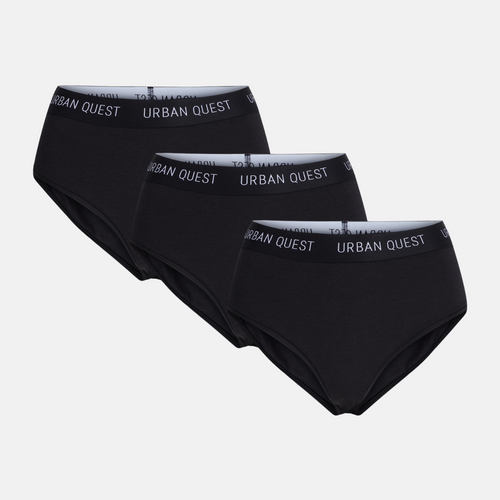
The declaration must sit on the item and survive use and washing, so it can still be read later. A label that disappears after the first wash is not much help. A photo of the label can be useful if you are unsure about care. See Urban Quest and Resteröds.
The language must be yours
The declaration must be in the language of the country where the item is sold. If you shop in a given country, the declaration must be readable in that country's language. That way you do not have to look up fibre names in a foreign language to understand what you buy.
Bamboo is an addition
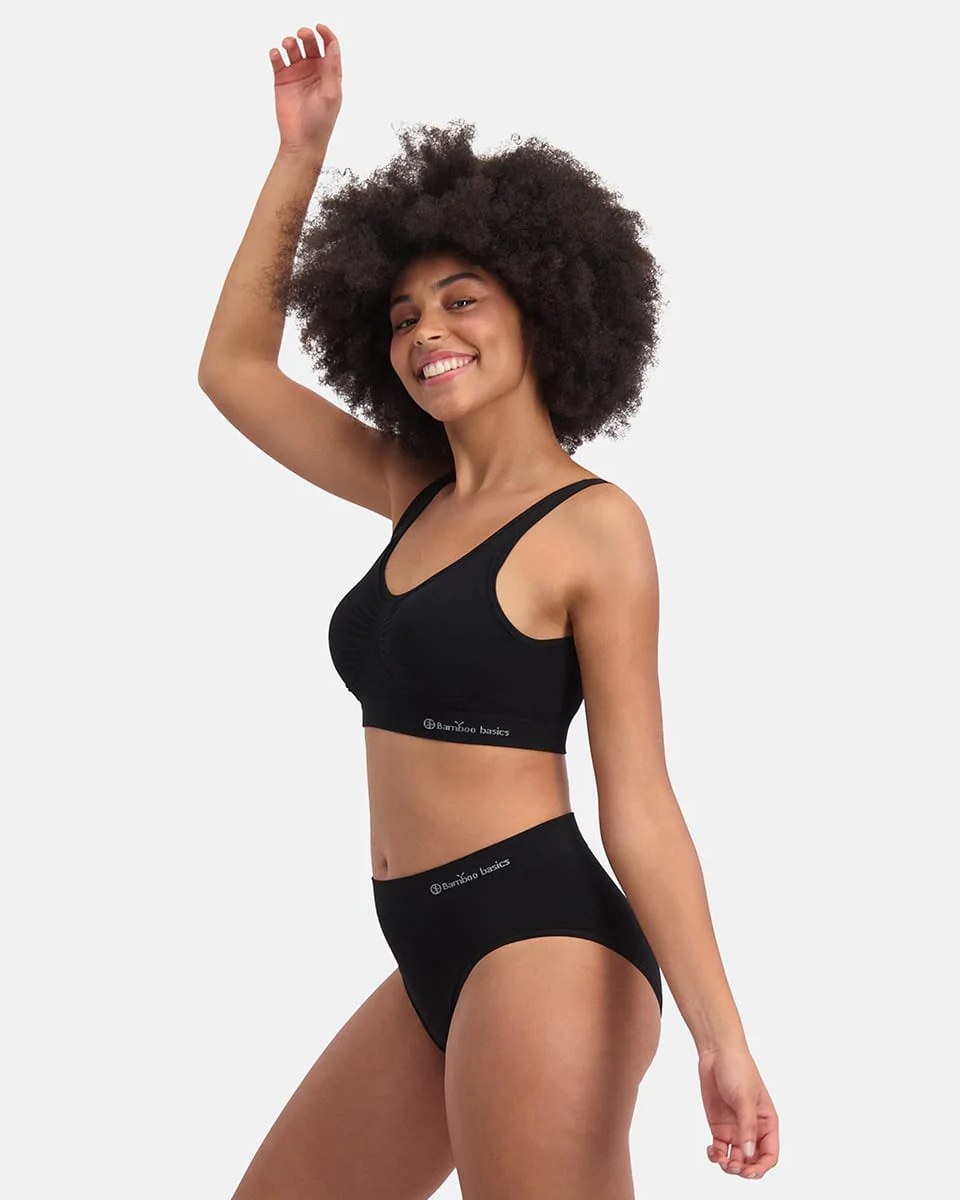
Bamboo may appear in a product name or text, but only as an addition. The fibre itself must be called viscose when it is made as viscose. That is why an item often shows both bamboo and viscose. It is not a contradiction but two pieces of information, both correct.
If the label is cut off
Many people cut the label off because it scratches. The information must then be findable on the product page or at the retailer. If you keep the item, note the composition before the label is gone. If you forgot, the shop can tell you what it is made of.
Also in online shops
The rules also apply in online shops. The composition must be shown before you buy, so you do not first find it in the parcel. Look for fibre names and percentages on the product page. A clear shop makes comparing easy before you add anything to the basket.
Frequently asked questions
May bamboo be written on the label
Only as an addition. The fibre must be called viscose when it is made as viscose, so bamboo can name the raw material but not the fibre.
What if the label has been cut off
Then the information must be findable on the product page or at the retailer. Ask the shop if you need the composition, and keep your receipt or order.
Do the rules also apply in online shops
Yes. The composition must be shown before you buy, on the product page and not first in the parcel. If it is missing, you can ask the shop to provide it.
You can find the full range at Bamboo-Clothing.com.