Why a certificate does not cover the whole shop
Short answer: Certificates are issued for specific items or specific producers. A shop sells items from many suppliers, and each supplier has its own papers. So look at the individual item, not the shop, when you want to know whether something is covered.
The certificate belongs to the producer
Whoever makes the item applies for and pays for the certificate. The shop cannot take it over and spread it across the whole range. The certificate therefore follows the item and the producer, not the shop that resells it. That is an important difference when you read what a shop writes.
A shop has many suppliers
A shop sells items from many suppliers, and each supplier has its own papers. Some have certificates, others have none, and those who do often have them for different product groups. That gives a range in which the documentation looks different from item to item.
Different brands, different schemes
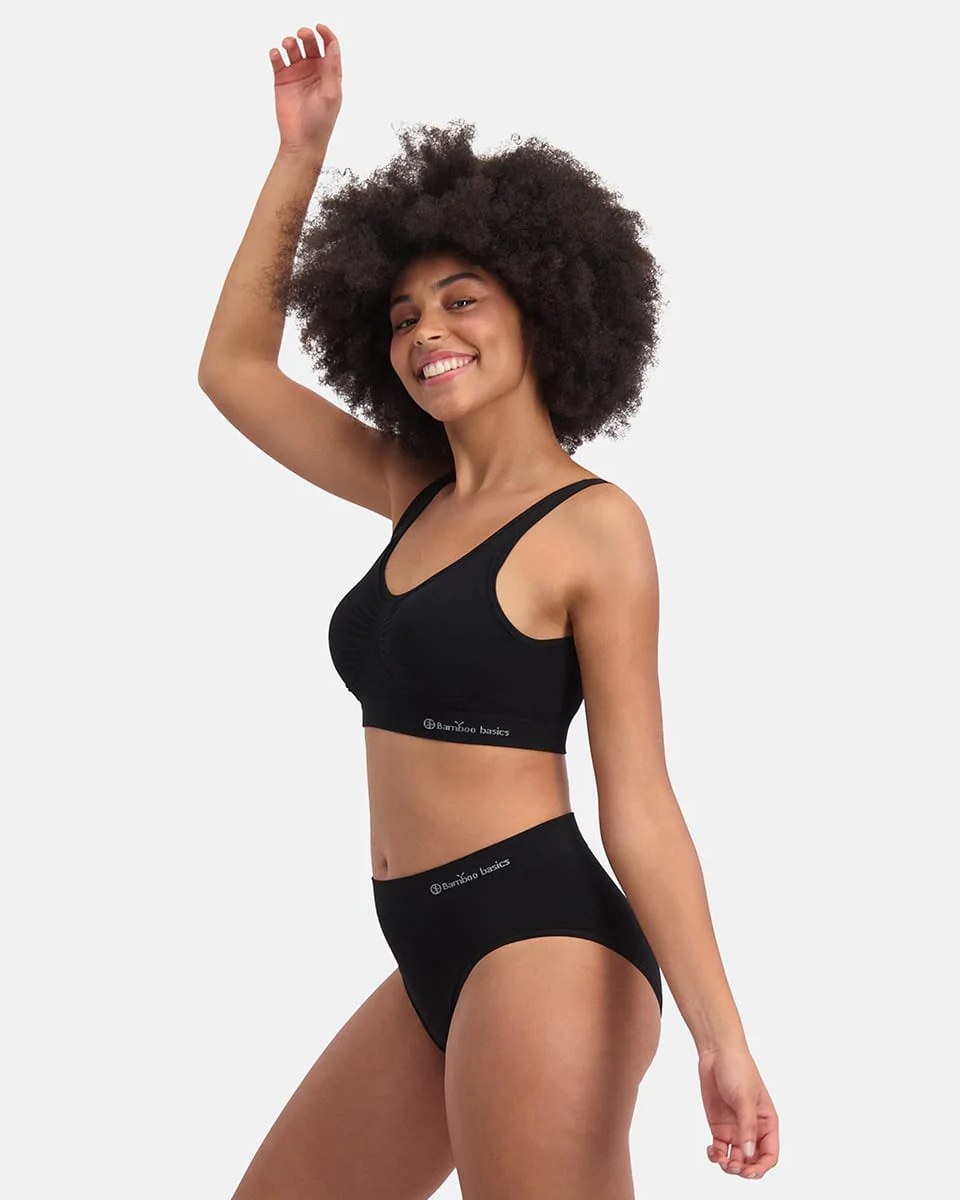
One brand may have Standard 100, another something else entirely, and a third nothing. The schemes the brands use test for different things and in different ways. See for example the range from Copenhagen Bamboo and compare it with the other brands in the shop.
That is why labelling is per item
If you want to know whether a specific item is covered, look at that item and not at the shop. Material details and labelling are therefore given in the description on each product page. That is an advantage, because you can look up the specific item and do not have to rely on a general claim.
Why some write that everything is certified
That may be true if all suppliers have papers for the items sold. But it is a claim that requires every single item to be documentable. Read such wording with that in mind, and ask for the number if anything is unclear. See for example the items from Resteröds.
Can a shop be certified itself
There are schemes for trading links, but they still do not automatically cover every item. The shop may therefore have its own certification for how it handles goods without making every item in the range a certified item. Those are two different things.
Where you find the information
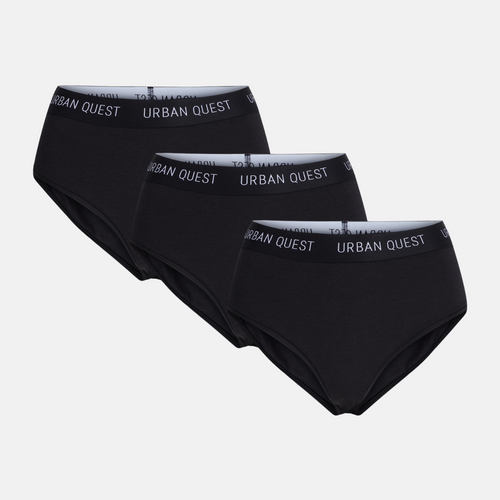
You find the information in the material details on each product page or on the label in the garment. If the number is on the label, you can look it up at the organisation. See for example how the details appear on the items from Urban Quest, and compare with other brands in the shop.
How to use it as a buyer
Read the labelling item by item and ask for the number if you are in doubt. Do not assume that a certificate on one item applies to the neighbouring item, even if they look alike. A serious shop can help you find the details, and it is a good sign if they are easy to get hold of.
Frequently asked questions
Can a shop be certified itself
There are schemes for trading links, but they still do not automatically cover every item. A certified shop therefore does not mean that every single item in the range is covered.
Why do some write that the whole range is certified
That may be true if all suppliers have papers for the items sold. It requires every single item to be documentable, though, and you can ask to see that.
Where do I find the information
In the material details on each product page or on the label in the garment. If there is a number, you can look it up at the organisation and see what the certificate covers.
You can find the full range at Bamboo-Clothing.com.