What is tested for in heavy metals
Short answer: Tests look for metals that can remain from dyes, prints and metal parts in the garment, including lead, cadmium, nickel and chromium. What is measured is the part that can be released under sweat-like conditions, not the total metal content of the item.
Metals come from several places
Metals can enter a garment from several sources. Some come from dyes, others from printing inks, and others again from metal parts such as zips, rivets and snap fasteners. So looking only at the fabric is not enough to judge the whole garment. Every part counts, because all of them can touch the skin.
Dyes can leave traces
Some dyes contain metals as part of their structure, and small residues can stay in the fibre after dyeing. Rinsing afterwards is therefore important. If the fabric is rinsed thoroughly, less is usually left behind. Two fabrics in the same colour can have different contents, depending on how they were treated along the way.
Prints can contribute
Printing inks on clothing can contain pigments, and some pigments contain metals. A large print on the chest is therefore a place that gets a closer look in testing. That does not make prints a problem in themselves, only something that must also stay under the limits before the item can be sold.
Zips, rivets and snap fasteners
Metal parts are often overlooked because they take up little space. Yet they sit close to the skin in trousers, jackets and underwear, and can touch it for long periods. That is why they have their own requirements. Choosing clothes without metal parts against the skin avoids the question, but it is not necessary.
What is measured is what can be released
Not all the metal in an item is measured, only the part that can be drawn out under sweat-like conditions. That makes sense, because only that part can reach the skin. Metal that is firmly bound in the material matters less. See also the range from Decoy.
Nickel has its own rules
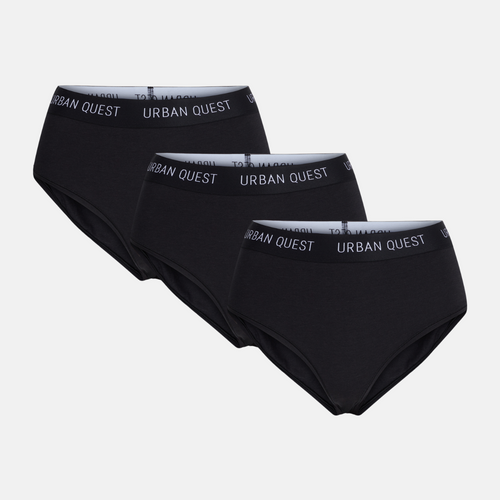
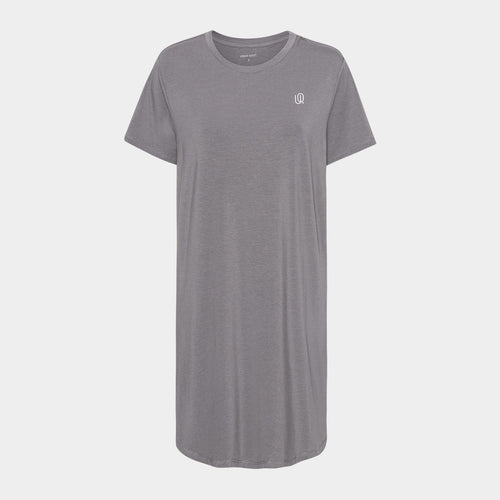
Metal parts that touch skin for long periods have their own limits for how much nickel they may release. Some people react to nickel with longer skin contact, which is why that metal is regulated separately. You can compare clothes with and without metal parts from Urban Quest and JBS.
Why the list looks as it does
Lead, cadmium, nickel and chromium are on the list because they are known from dyes, pigments and metal parts. The list is not meant to alarm, but to set an upper limit on what may remain in clothes worn close to the body. Exact limits are in the standard the item was tested to.
Traces are not the same as danger
Traces of metals can be found in almost all materials. The rules concern the amount, not a demand that everything be completely free. A trace under the limit is different from an amount over it. It makes more sense to ask which test an item passed than whether it contains any metal at all.
Washing and everyday life
Washing can remove some loose residues, but the limit applies to the item as sold, not after washing. Washing new clothes before first wear is a good habit if you are unsure. With a nickel allergy, watch for metal parts against the skin and talk to your doctor.
Frequently asked questions
Why is nickel singled out
Because some people react to nickel with longer skin contact. Metal parts that touch the skin therefore have their own limits for nickel release, on top of the general textile rules.
Is there heavy metal in all clothing
Traces can occur. The rules concern the amount, not a demand that everything be completely free. If the result is under the limit in the standard used, the requirement is met.
Are the metals washed out
Partly. But the limit applies to the item as sold, not after washing. Washing can remove loose residues, but it cannot replace testing before the item reaches the shop.
You can find the full range at Bamboo-Clothing.com.