Why formaldehyde is measured in textiles
Short answer: Formaldehyde is measured in textiles because it has been used in treatments that make fabric crease-free or shape-stable, and because it can irritate skin and eyes. That is why there are limits on how much may remain in the item, strictest close to the skin.
It comes from a treatment
Substances that make textiles crease-free can release small amounts of formaldehyde. The amount depends on the treatment and on how well the fabric was rinsed afterwards. So it is not part of the fibre itself, but something that can remain after finishing. That is why measuring matters for items where such a treatment may have been used.
Crease-free and shape-stable
The wish for clothes that do not crease or shrink has made such treatments widespread. The treatment binds the fibres so the fabric keeps its shape better. The side effect is that residues can remain. That is why a limit is set and measured, rather than trusting that the process simply went well.
The limit follows skin contact
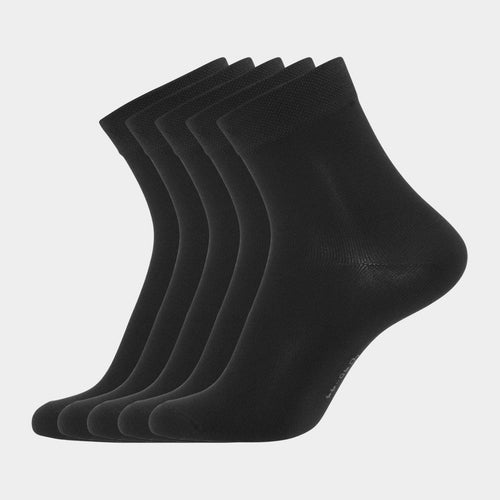
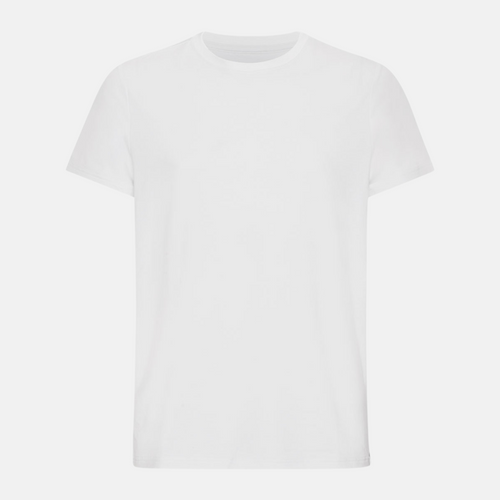
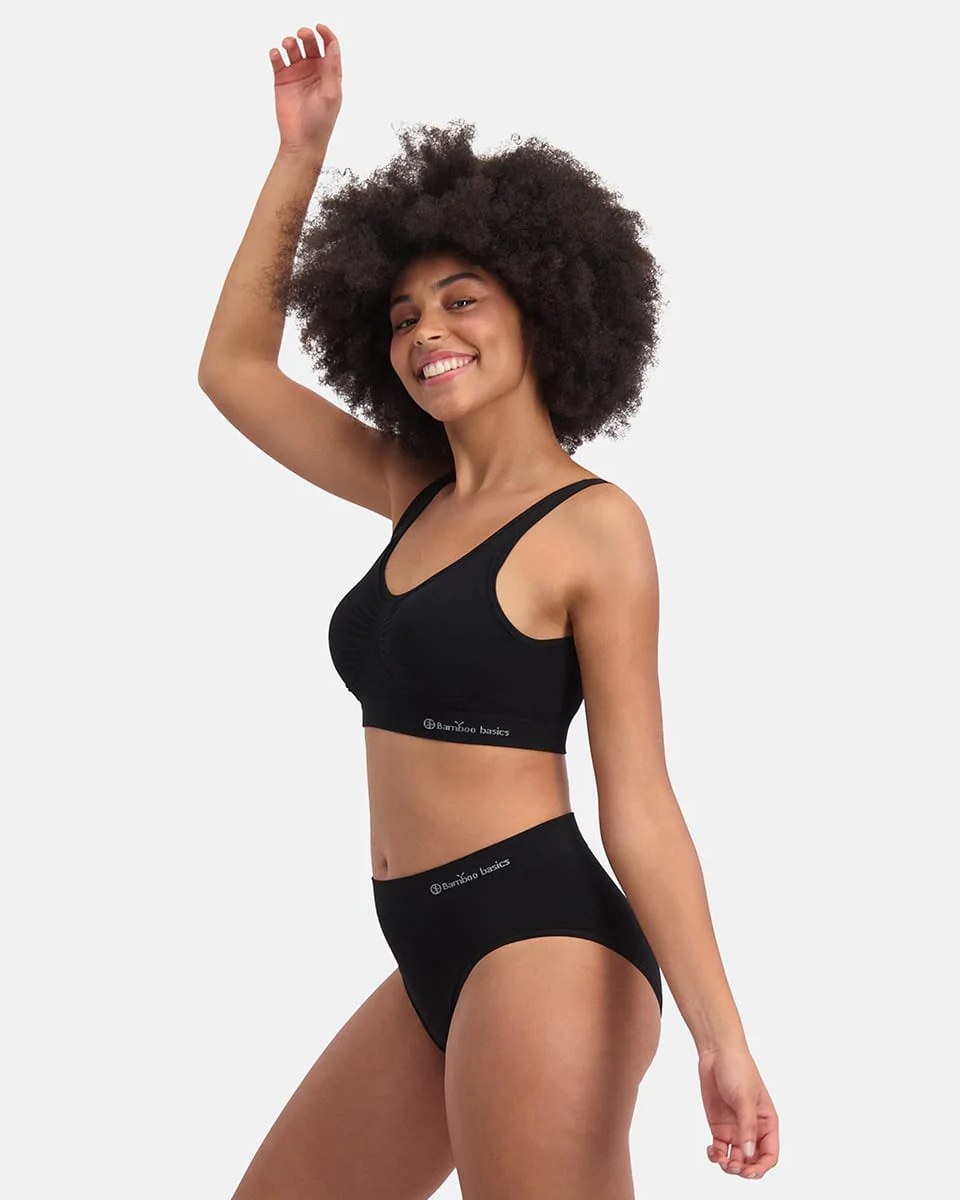
The closer an item lies to the skin, the lower the limit. Underwear and other clothes worn directly on the body sit at the strict end, while clothes with less contact have a higher limit. The idea is the same as for other substances. See the range from Copenhagen Bamboo.
Skin and eyes
Formaldehyde can irritate skin and eyes, and that is the main reason it is regulated in textiles. Some people notice itching or redness from new clothes, but that can have many other causes, and one symptom does not show what is to blame. For lasting problems, talk to your doctor.
Washing lowers the content
A wash before first use removes some of the residues. That is one reason it is a good idea to wash new clothes before putting them on. Washing does not replace testing, but it is a simple extra safeguard. See also the range from Resteröds and Egtved.
Smell does not say what it is
A sharp smell in a new garment can come from several things, such as packaging, transport or finishing. The smell alone does not say what it is, nor whether the limit is met. Air new clothes and wash them before use. If the smell stays, contact the seller.
Is it still used
Formaldehyde is used less than before, and many producers avoid it entirely in basic clothing. That applies especially to clothes worn close to the body. Measuring continues all the same, because a measurement is the only way to be sure the limit is met. You cannot see it on the fabric.
The limit is in the standard
The exact limit is in the standard the item was tested to, and it depends on the class. Underwear and other clothes close to the skin have the lowest limit. The number itself matters mostly to the laboratory. For you as a customer, the point is that an upper limit exists.
How to check as a customer
You cannot measure formaldehyde at home, but you can check whether the label names a standard and whether the item has been tested. Wash new clothes before use and choose materials you know. If in doubt, ask the seller and expect a clear answer without big words that cannot be documented.
Frequently asked questions
Is it still used
Less than before, and many producers avoid it entirely in basic clothing. It is still measured, because a measurement is the only way to know whether the limit in the standard is met.
Can you smell it
A sharp smell in a new garment can have many causes. The smell alone does not say what it is, so air the garment, wash it before use and ask the seller if the smell stays.
How much is allowed
The limit is in the standard the item was tested to, and it depends on the class. The closer an item lies to the skin, the lower it is, and underwear sits at the strict end.
You can find the full range at Bamboo-Clothing.com.