When to use a laundry bag
Short answer: A laundry bag is for bras, thin tops, socks and anything with hooks or ties. It stops small items from catching on other clothes and being pulled out of shape in the drum.
Bras and hooks
Hooks and underwires can snag other clothes and get bent themselves when they tumble around the drum. A laundry bag solves both problems at once. Fasten the hooks before the bra goes in the bag, so they do not catch on the mesh. You can read more in how to wash a bra.
Thin tops
Straps and thin edges get stretched when they wrap around heavy items such as towels and jeans. In a bag the top stays together and the straps are not pulled long. This applies especially to tops in bamboo viscose, which are soft and have some give. See bamboo tops for women for examples.
Socks
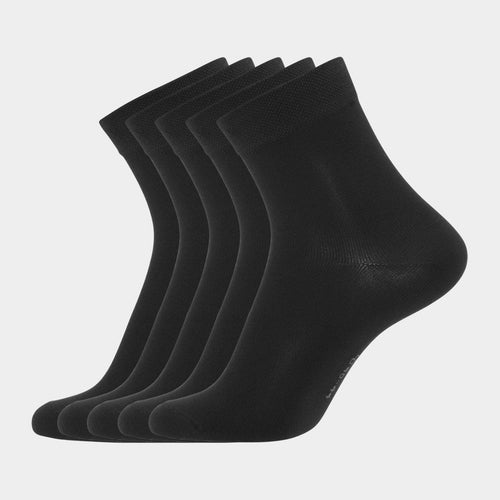
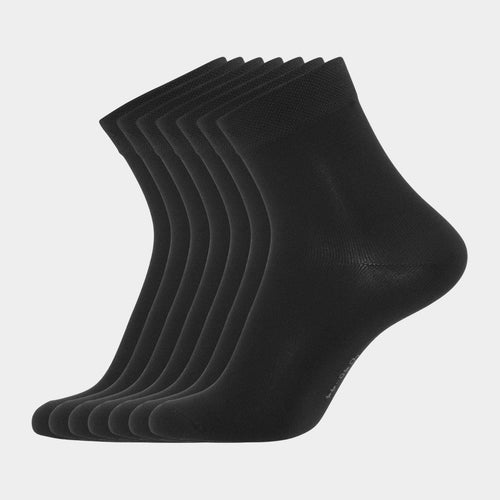
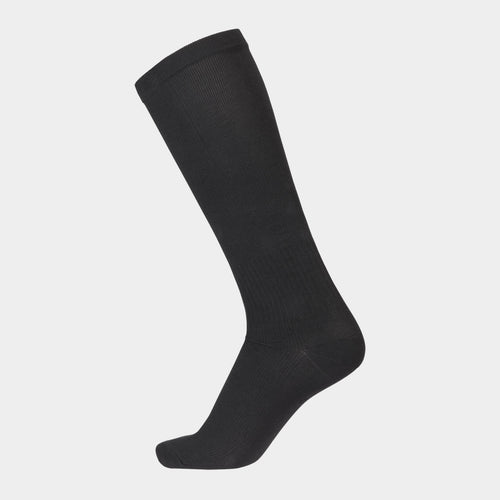
A laundry bag also means you do not lose single socks in the machine or inside a duvet cover. Collect socks in the bag after wearing, and they are ready for the wash and come out in pairs. It saves time when folding. See all bamboo socks for women for thin socks that benefit from a bag.
Period pants
Period pants have several dense layers in the gusset, and they last best when they do not rub against zips, buttons and velcro. Rinse them in cold water first, then put them in the bag with other underwear. That way they keep their shape longer. See period pants for the models we carry.
Not too full
A stuffed laundry bag does not get properly clean, because water and detergent cannot move between the items. Fill it no more than halfway, so the clothes have room to move inside. If you have many small items, use two bags rather than one full one. The result is noticeably cleaner.
Same programme
The bag does not change how the clothes should be washed. Temperature, programme and dosage stay the same as without a bag. For bamboo viscose that means 40 degrees, a gentle programme and no fabric softener. All the rules are in the washing guide if you want the full overview.
Which bag to choose
A fine mesh protects the thinnest items best, while a coarser mesh suits socks and larger tops. Choose one with a zip that closes fully or has a small cover over it. Then the bag cannot snag other clothes itself. A couple of bags in different sizes covers most needs in a normal household.
Sort by colour
The bag protects against wear, but not against colour transfer. Put light and dark items in separate bags, just as you would sort the rest of the wash. New items in strong colours may release dye the first few times. Wash them separately until they no longer bleed.
When you do not need a bag
Ordinary t-shirts, briefs, sweatshirts and towels can be washed without a bag. They have no hooks, ties or thin straps that can catch on anything. Here it matters more not to overfill the machine. The bag is a tool for delicate items, not something the whole wash needs.
Dry without the bag
Take the clothes out of the bag as soon as the programme ends. Wet items lying together in a bag dry slowly and can start to smell. Shake each piece out and hang or lay it to dry separately. Bras dry best lying flat or hung by the centre rather than the straps.
Frequently asked questions
Do clothes get as clean in a bag?
Yes, as long as the bag is no more than half full. Water and detergent pass easily through the mesh, provided the clothes have room to move around inside the bag.
Which items should always go in a bag?
Bras, thin tops with straps and small items like socks benefit the most. The same goes for anything with hooks, ties or cords that could wrap around other clothes.
Can I tumble dry clothes in the bag?
It is not recommended. Clothes dry slowly and unevenly in a bag, and bamboo viscose does best drying on a line or flat, without a tumble dryer.
You can find the full range at Bamboo-Clothing.com.