Which Bamboo Species Is Used for Clothing?
Short answer: Most bamboo clothing is made from moso bamboo, a giant bamboo from China. If you ask which bamboo species is used for clothing, the answer is almost always moso. The species grows very quickly, needs neither irrigation nor pesticides, and is not the species pandas live on.
Many species, one dominates
There are many hundreds of bamboo species, from small ornamental garden plants to large, tree-like species in the forests of Asia. Only a few are suitable for industrial use, and for textiles it is in practice moso bamboo that is used. It is easy to grow and harvest on a large scale.
Moso, the species behind almost all bamboo clothing
Moso bamboo can grow more than 20 metres tall and nearly a metre a day in the growing season. It is harvested without pulling up the plant, because new shoots grow from the root network. That makes it a renewable raw material that can be harvested again and again from the same plant.
A grass, not a tree
Even though the stem is as hard as wood, bamboo is botanically a grass. That explains the fast growth and its ability to shoot again after harvest. The root network stays in the ground and helps hold the soil in place, so it is not left bare between harvests.
Not panda food
A common question is whether bamboo clothing takes food away from pandas. Pandas mainly eat other bamboo species that grow in mountain areas. Moso bamboo for textiles is grown on plantations, and it is not the same species pandas depend on in their natural habitats.
From plant to fibre
The bamboo stem cannot be spun directly into yarn. It is dissolved chemically and spun into bamboo viscose or the more gently produced lyocell. The difference lies in the chemicals and how they are reused. Either way, the result is a soft, smooth fibre that feels comfortable against the skin.
What the species means for your clothes
For you as a customer, moso bamboo means that the raw material is fast growing and robust, and that the fibres come out long and even. That contributes to the soft, smooth fabric with the heavy drape bamboo clothing is known for. The species alone does not decide the quality of the finished fabric, though.
Processing matters most
How the fabric feels also depends on the yarn thickness, the knit and whether a little elastane has been added. Two garments made from moso bamboo can therefore feel different. Check the material composition on the product and choose by what the garment is for, fitted or loose, day or night.
Where the fabric helps most
Bamboo viscose suits best what lies against the skin for many hours, such as underwear and bedding. This is where you notice the smooth surface and good moisture transport, because the fabric does not turn clammy or rub. At night it can feel cool and calm under the duvet.
Take good care of the fabric
Wash bamboo clothing at 30 to 40 degrees on a gentle programme, preferably turned inside out. Skip fabric softener and the tumble dryer, as heat can make the fabric shrink and lose its shape. Air drying keeps the fibres soft, so you can enjoy the garment for a long time.
Feel moso bamboo yourself
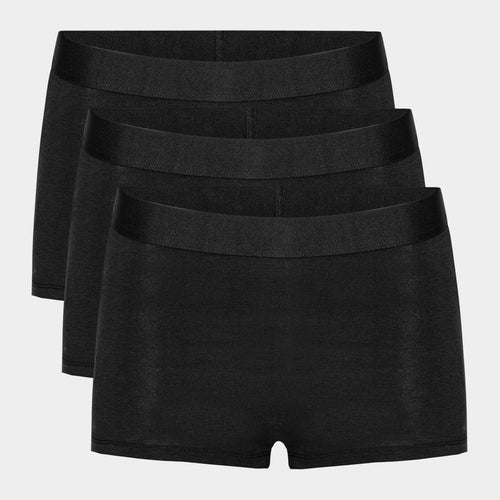
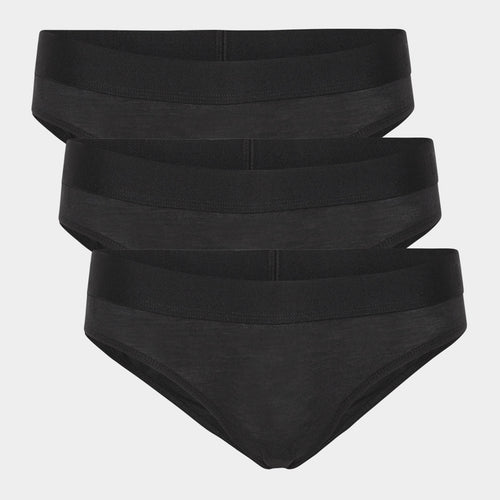
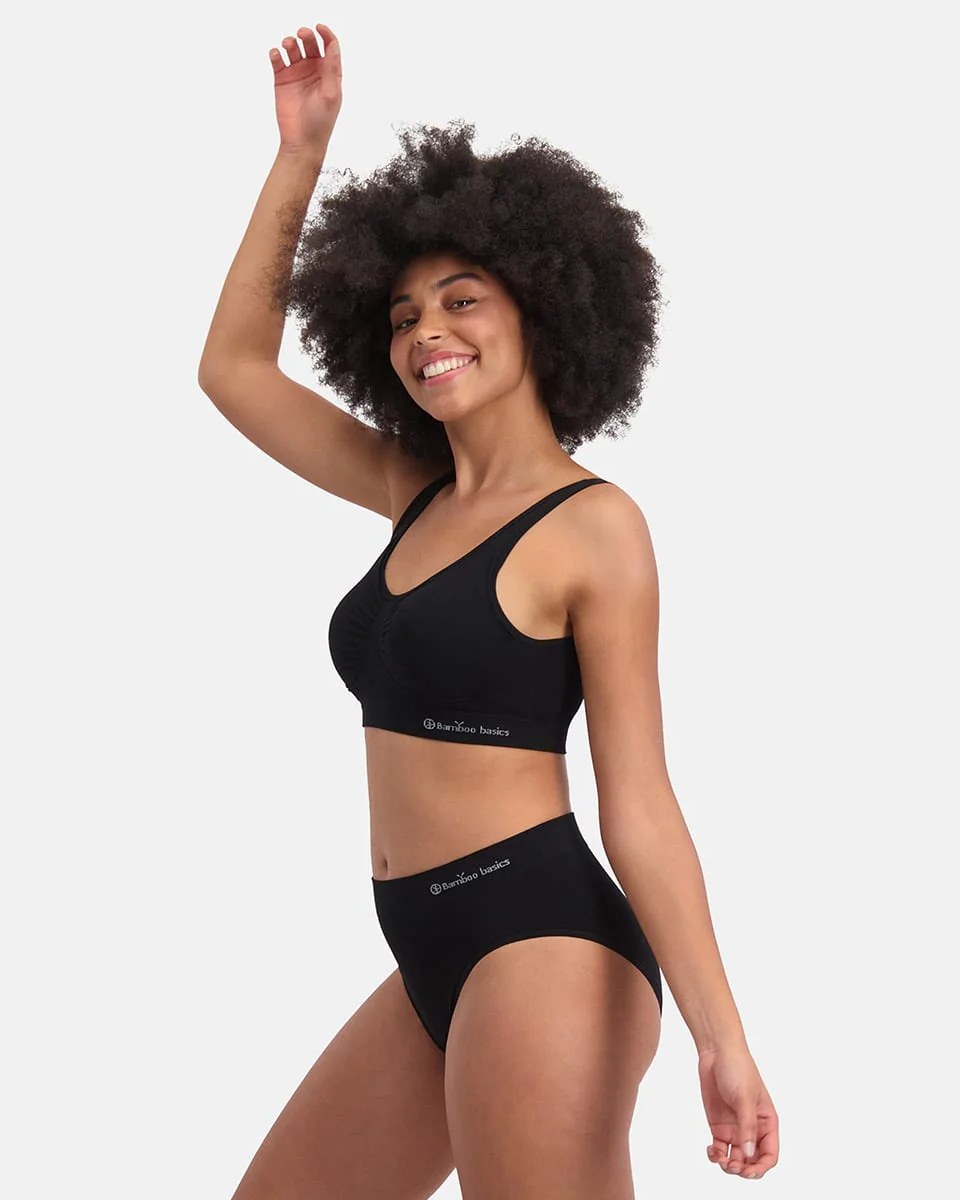
If you want to feel what the fabric is like, start with what sits closest to your body. Take a look at bamboo underwear for women and bamboo underwear for men, or try bamboo bedding if you want to feel the fabric against your skin all night. See also guide to bamboo and the environment and bamboo lyocell vs. bamboo rayon.
Frequently asked questions
Which bamboo species is used for clothing?
Almost all bamboo clothing is made from moso bamboo, a fast growing giant bamboo from China that is grown on plantations and shoots again from its roots after every harvest.
Do pandas eat the bamboo used for clothing?
No, pandas mainly eat other bamboo species in mountain areas. Moso bamboo for textiles is grown on plantations and is not their main food in the wild.
Can you feel a difference between bamboo species in clothing?
Hardly, since almost all textile bamboo is moso. The difference is felt more in the processing, yarn thickness and knit, which all affect how the fabric feels.
You can find the full range at Bamboo-Clothing.com.